Introduction
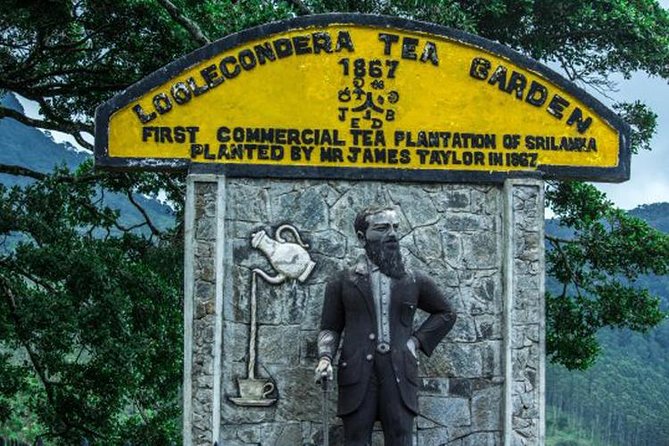
Loolkandura Tea Estate, located in the Galaha, Delthota area of the Kandy District in Sri Lanka’s Central Province, is the exact place where Sri Lanka’s tea industry began. It is widely accepted as the first tea plantation in Sri Lanka, started in 1867 by Scottish planter James Taylor.
But this is not just a historical landmark marked on a map. Loolkandura is a place you experience slowly. The journey to reach it, the quiet surroundings, and the absence of crowds make it very different from the usual tea country destinations. It still feels close to how it must have been when tea was first planted here.
A Brief History – How Tea Began in Sri Lanka
Quick History Highlights
- Tea cultivation started here in 1867
- Introduced by James Taylor, a Scottish planter
- Began during the collapse of the coffee industry
- First plantation covered only 19 acres
- Led to the global Ceylon tea industry
Loolkandura is not just important because it is old. It is important because it marks a turning point in Sri Lanka’s history.
Before tea, the island was one of the world’s major coffee producers. The hill country was covered in coffee estates, and the economy depended heavily on it. But in the 1860s, a fungal disease known as coffee leaf rust spread rapidly across plantations, destroying crops and leaving estate owners searching for alternatives.
This is where James Taylor’s role becomes significant.
James Taylor – The Beginning of an Industry
Key Facts
- Arrived in Ceylon in 1852 at age 17
- Became Loolkandura estate manager by 1857
- Began tea experiments in 1865
- Established the first plantation in 1867
- Built the first tea factory in 1872
James Taylor arrived in Ceylon as a young planter and was assigned to Loolkandura when it was still a coffee estate. As the coffee crisis worsened, he began experimenting with other crops.
In 1865, he started testing tea using seeds from the Peradeniya Botanical Gardens. These early attempts were small and uncertain. But by 1867, he cleared around 19 acres and began systematic tea cultivation.
This marked the true beginning of Sri Lanka’s tea industry.
Taylor did not stop at planting. He focused on processing as well. In 1872, he built a small tea factory where leaves were hand-rolled and dried using charcoal-fired systems. This shift from planting to production turned tea into a viable commercial crop.
A year later, in 1873, the first shipment of Ceylon tea — just 23 pounds — was sent to London. From that point, the industry grew rapidly.
Why Loolkandura Was Chosen
Natural Advantages
- Cool and wet climate
- High rainfall
- Well-drained mountain slopes
- Ideal elevation for tea cultivation
Loolkandura’s geography played a key role in its success. The elevated terrain and consistent climate created ideal conditions for tea. These same conditions are why Sri Lanka’s central highlands remain one of the best tea-growing regions in the world today.
Getting to Loolkandura – The Journey Matters
Quick Travel Highlights
- Distance from Kandy: ~30 km
- Travel time: 1–1.5+ hours
- Roads: Narrow, steep, and winding
- Best option: Motorbike or three-wheeler
- Final stretch: Requires walking or careful driving
Bus Routes from Kandy
You can take a Kandy – Delthota bus from Kandy town. There are two main routes:
1. Via Hanthana (Hospital Road Side)
- Starts from Kandy town
- Passes Kandy General Hospital road
- Climbs through Hanthana mountains
- Scenic but more winding
2. Via Thalathuoya – Delthota Road
- More common route
- Passes villages and tea fields
- Easier and less steep
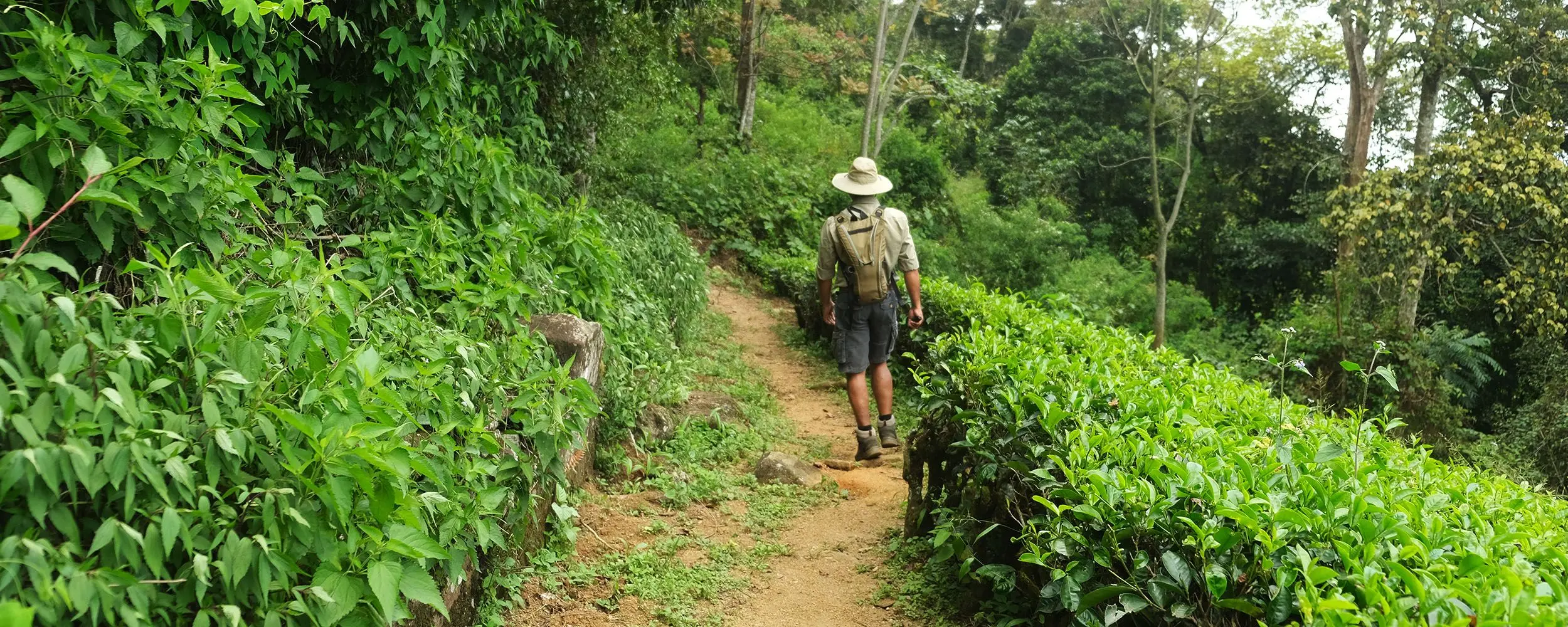
From Kandy, the estate is about 30 kilometers away, but the journey takes longer than expected due to the terrain. As you get closer, the road becomes narrower and steeper, and the surroundings shift into dense greenery.
If you travel by bus, it will take you several kilometers inside the tea estate itself. By the time you get down, you are already surrounded by mist, wet soil, and endless green slopes.
From there, the road continues uphill. Walking can take around an hour depending on your pace.
From experience, the best way to explore Loolkandura is by motorbike. A three-wheeler is also practical. Cars can manage the road, but only with good ground clearance.
At the entrance, there is a small fee charged per vehicle.
Entering the Estate – A Different Atmosphere
What You’ll Notice First
- Cooler, wetter air
- Deep green tea-covered hills
- Tea pickers working across slopes
- Quiet, uncrowded environment
- Natural, undeveloped feel
Once you pass the entrance, the atmosphere changes immediately.
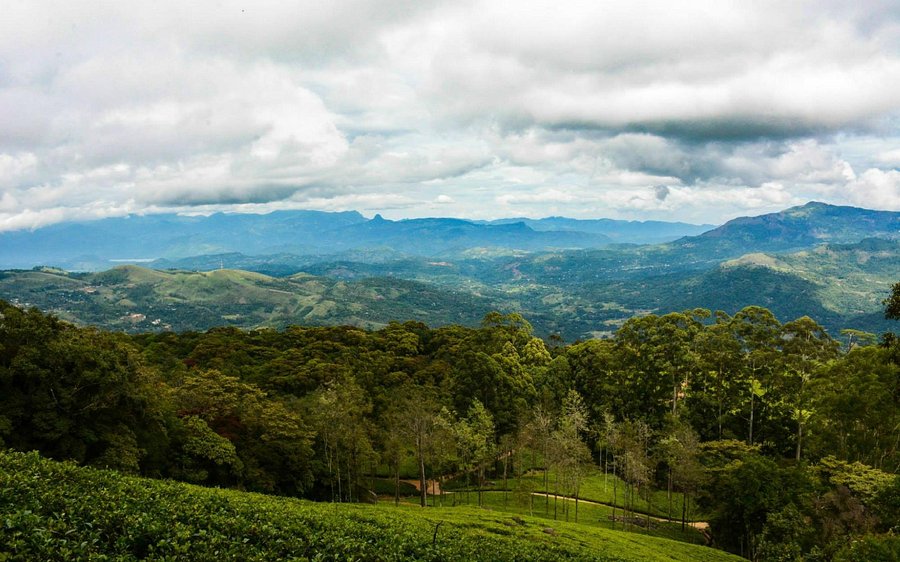
The air becomes cooler, the green becomes deeper, and the entire landscape feels more open and untouched. Tea bushes stretch across the hills, and you begin to see workers moving slowly across the slopes.
There are no large crowds or heavy tourism here. Everything moves at a slower pace.
As you continue upward, you will notice small features like a pond, photo spots, and unusual oval-shaped rocks. These do not feel artificial — they blend into the landscape naturally.
From higher points, you can see entire valleys covered in tea, fading into distant hills.
Reaching the Top – Where History Still Exists
Key Historical Spots
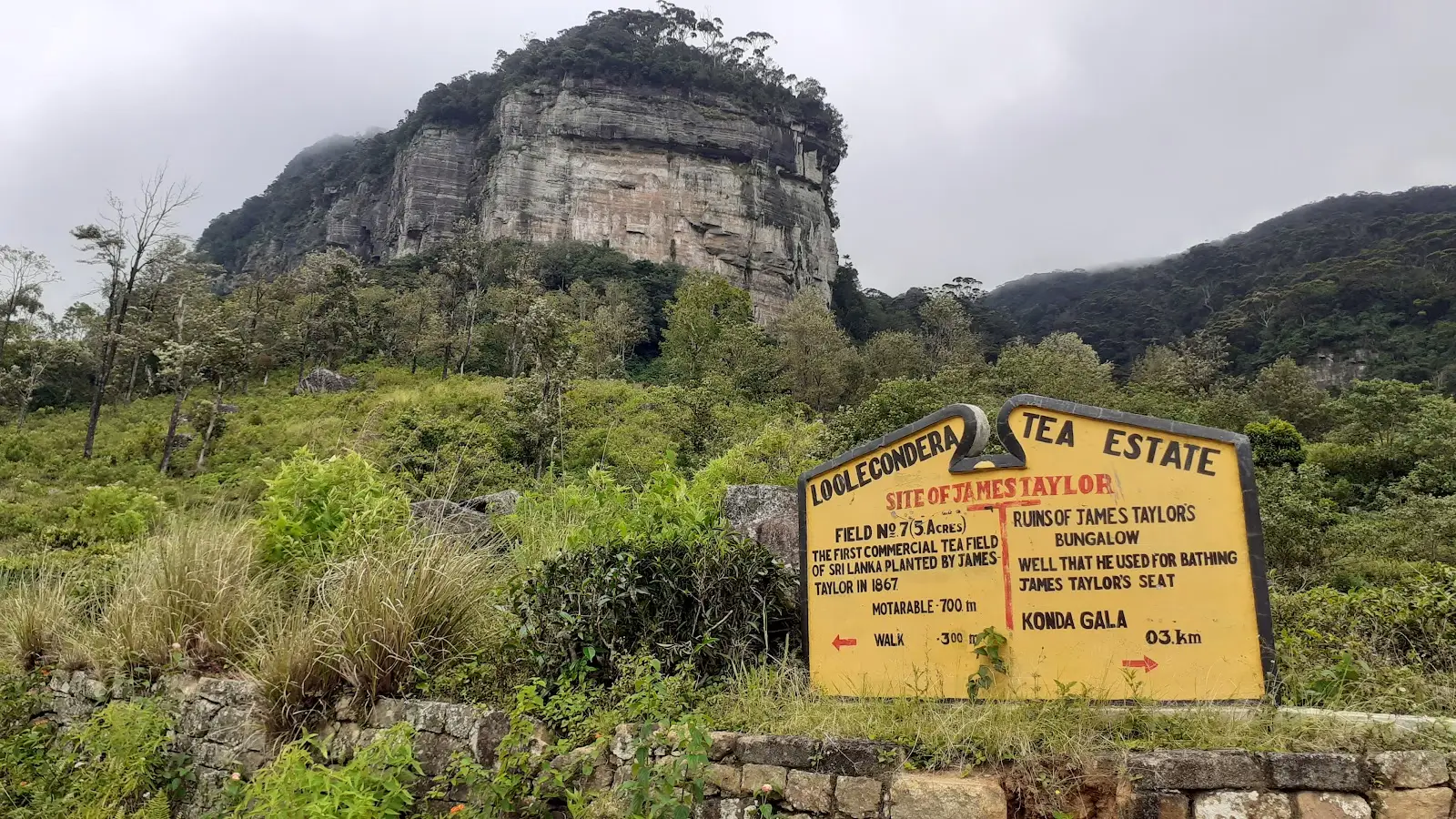
- James Taylor’s stone seat
- First tea tree location
- Remains of Taylor’s cabin
- Old well / water source
- Trail to Kondagala Rock
As you reach the upper part of the estate, the experience shifts from scenic to historical.
One of the most meaningful places here is James Taylor’s seat — a simple stone facing the mountains. This is where he is believed to have sat, observing the land that would later change the country’s economy.
Nearby is the location identified as the first tea planting. Standing there connects the entire story — from a small experiment to a global industry.
You can also find the remains of his cabin. Very little is left today, just scattered stones and traces of the foundation. There is also a small well nearby, likely used during his time.
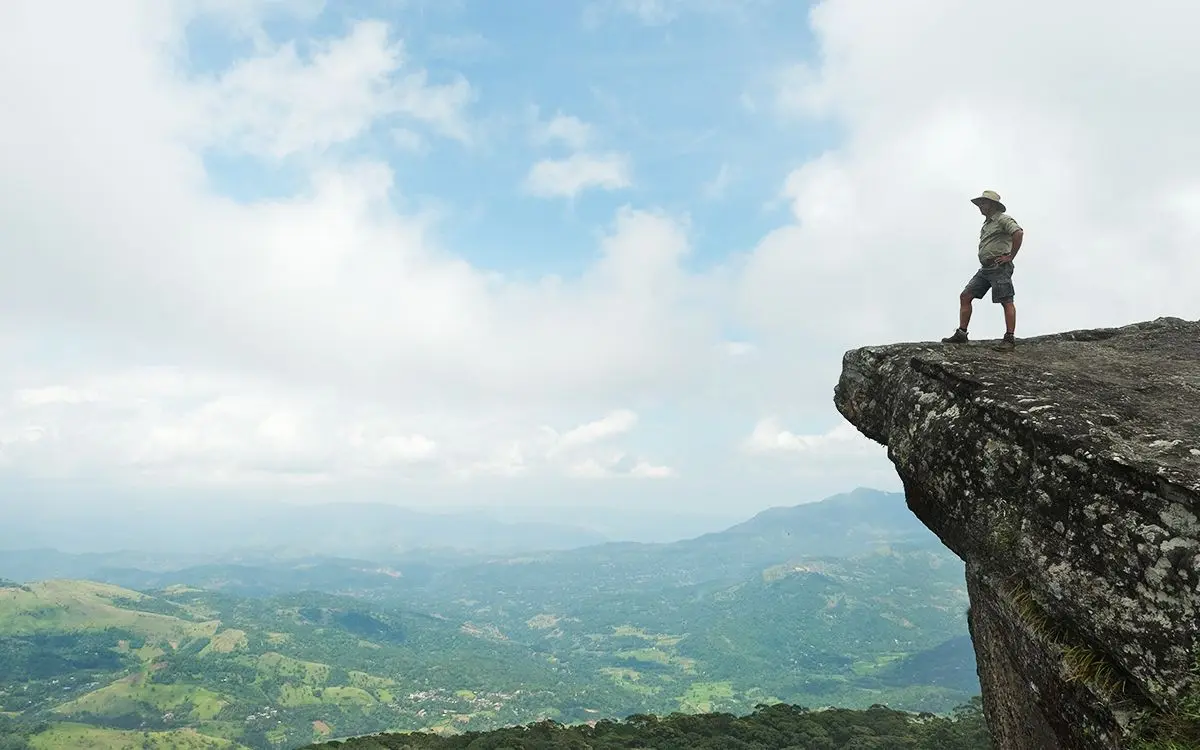
Behind this area, a narrow trail leads toward Kondagala Rock, which is a separate hike. Also famous Sri Lankan Pekoe Trail Stage 02 ending point is Loolkandura.
Final Thoughts
Loolkandura is not a typical tourist destination. It does not try to impress with facilities or crowds. What makes it special is how unchanged it feels.
This is where Sri Lanka’s tea story began — not as a large-scale plan, but as a small experiment during a crisis. Today, the country is known worldwide for its tea, but that entire journey started here, on a quiet hillside in Loolkandura.
Location Map
Nearby Atractions
- Galaha – A Quiet Tea Country Escape Near Kandy - 0.7 km
- Kondagala Rock – A Hidden Hike Above Sri Lanka’s First Tea Estate - 8 km
- Pekoe Trail Stage 2 – Galaha to Loolkandura Scenic Hiking Guide - 8.6 km
- Ehelepola Walawwa - (Wax Museum kandy) - 10.7 km
- Bathalegala (Bible Rock) A Simple Hike - 22 km
- Hulu Ganga Waterfall - 25.5 km
- Elephant Pass – Where the Road to Jaffna Meets History - 262.4 km