Introduction
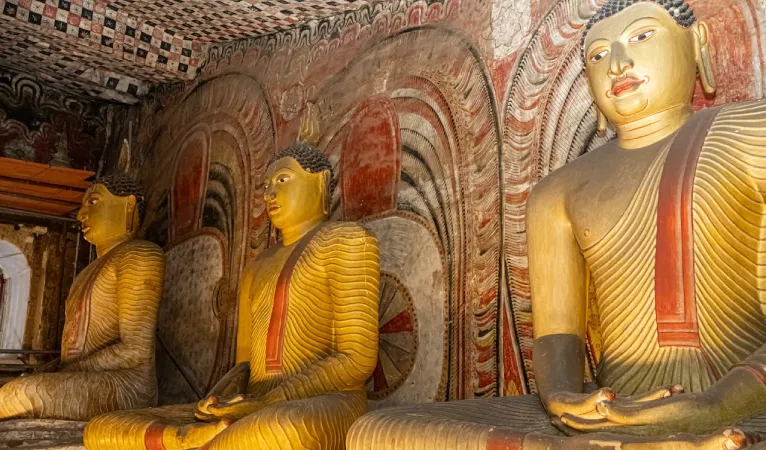
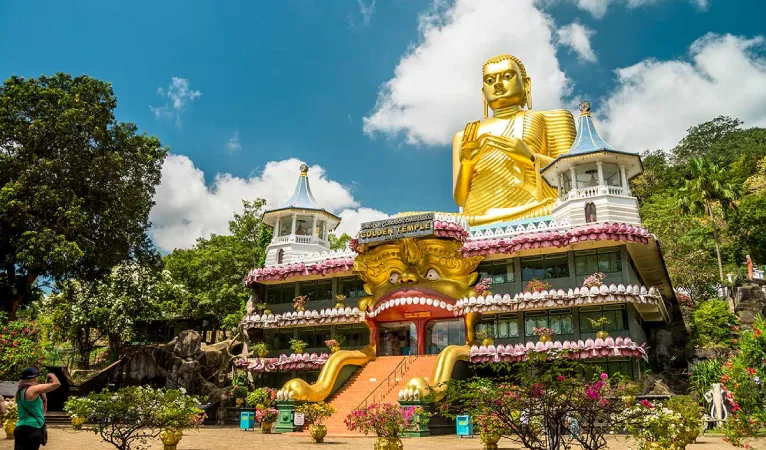
Dambulla Cave Temple is one of the most important religious and historical sites in Sri Lanka. Located in the central part of the island, this ancient temple complex is famous for its impressive cave shrines, detailed murals, and large Buddha statues.
Built into a massive rock formation overlooking the surrounding countryside, the temple offers both spiritual and cultural significance. Visitors from around the world come to experience its peaceful atmosphere, remarkable artwork, and centuries of history.
Also known as the Golden Temple of Dambulla, it is recognized as a UNESCO World Heritage Site and remains one of the most visited attractions in Sri Lanka.
Historical Significance
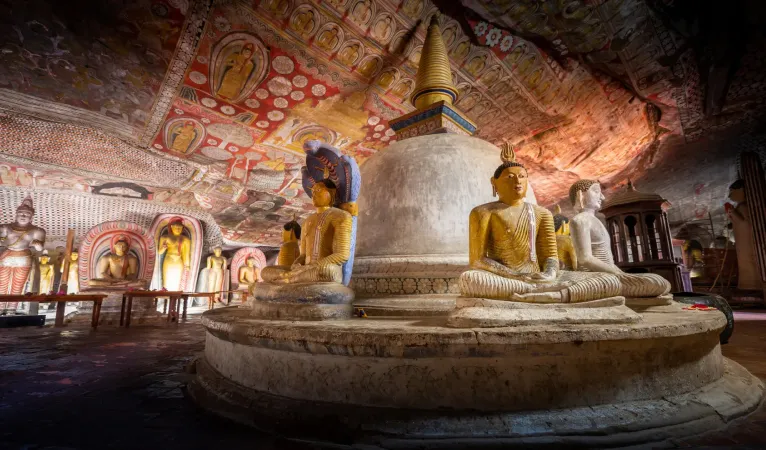
Dambulla Cave Temple has a history that dates back more than 2,000 years. The temple became an important religious site during the reign of King Valagamba, who sought refuge in these caves after losing his kingdom.
After regaining the throne, the king transformed the caves into a magnificent temple complex as an act of gratitude. Over time, many other kings contributed to the temple by adding paintings, statues, and restorations.
The site reflects centuries of Sri Lankan Buddhist history and remains an active place of worship today. Its long history and cultural value make it one of the most important religious landmarks in the country.
The Cave Temple Complex
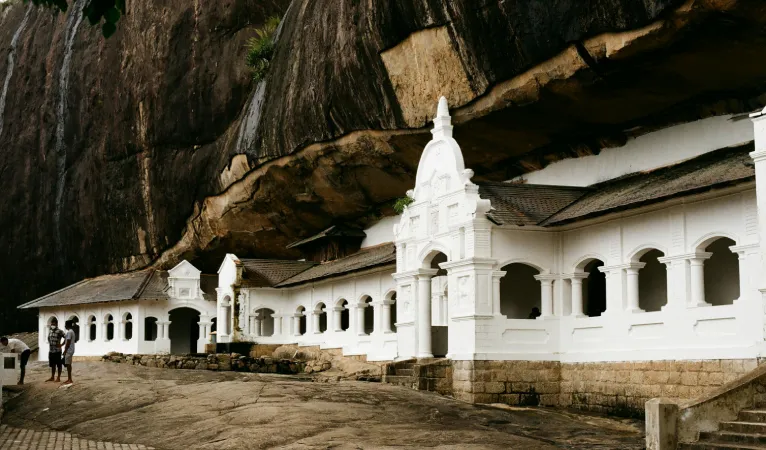
The temple complex consists of several caves carved into the rock. Each cave contains statues, murals, and religious artwork that showcase different periods of Sri Lankan history and Buddhist tradition.
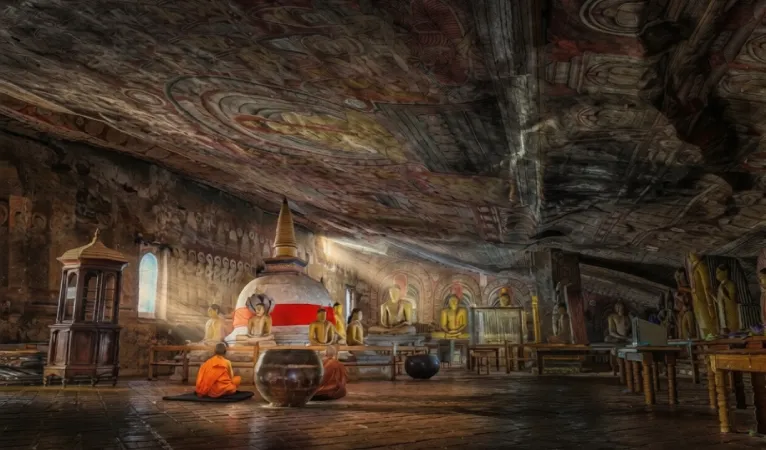
The caves are naturally formed but were later developed into sacred spaces filled with artistic detail. The cool interior and dim lighting create a peaceful and spiritual atmosphere.
Visitors can walk through each cave and observe ancient paintings covering the walls and ceilings. These artworks depict stories from the life of Buddha as well as important historical events.
The combination of natural rock formations and religious architecture makes the temple truly unique.
Buddha Statues and Sacred Artwork
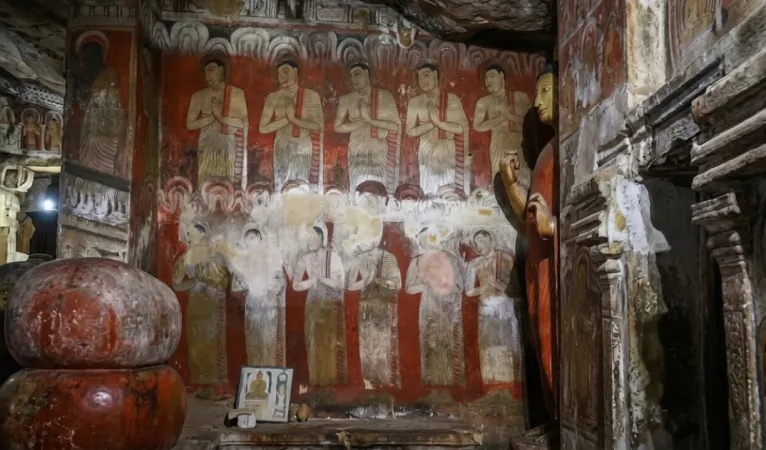
One of the highlights of Dambulla Cave Temple is its large collection of Buddha statues. There are more than a hundred statues throughout the caves, ranging in size and style.
Some statues are seated in meditation, while others depict reclining Buddha figures. Many are painted in gold and decorated with intricate details.
The cave ceilings are covered with colorful murals that have survived for centuries. These paintings create a striking visual experience and demonstrate the artistic skill of ancient Sri Lankan craftsmen.
The artwork adds depth and beauty to the spiritual atmosphere of the temple.
The Climb and Scenic Views
Reaching the temple requires a short climb up a stone pathway leading to the caves. Along the way, visitors are rewarded with scenic views of the surrounding countryside.
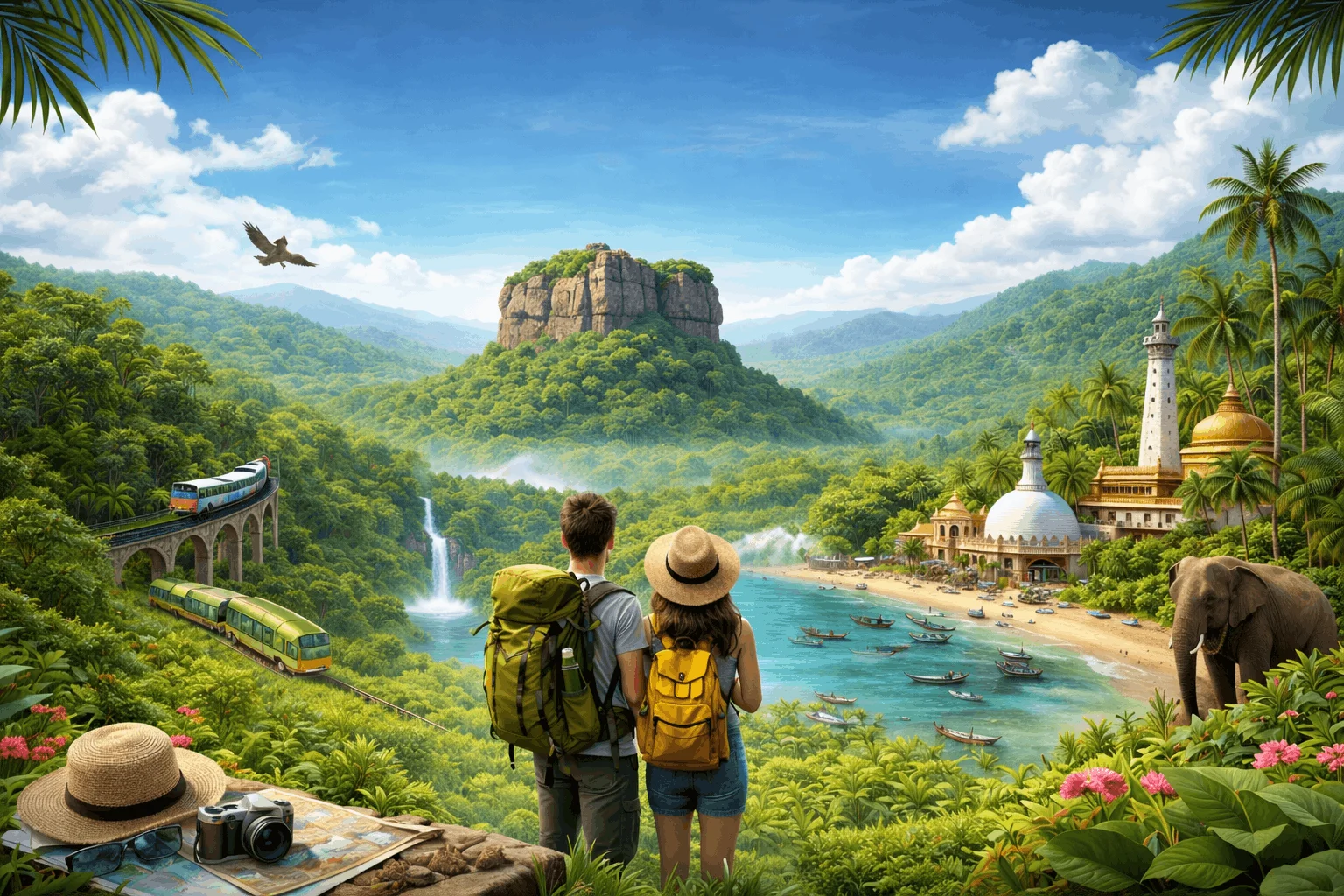
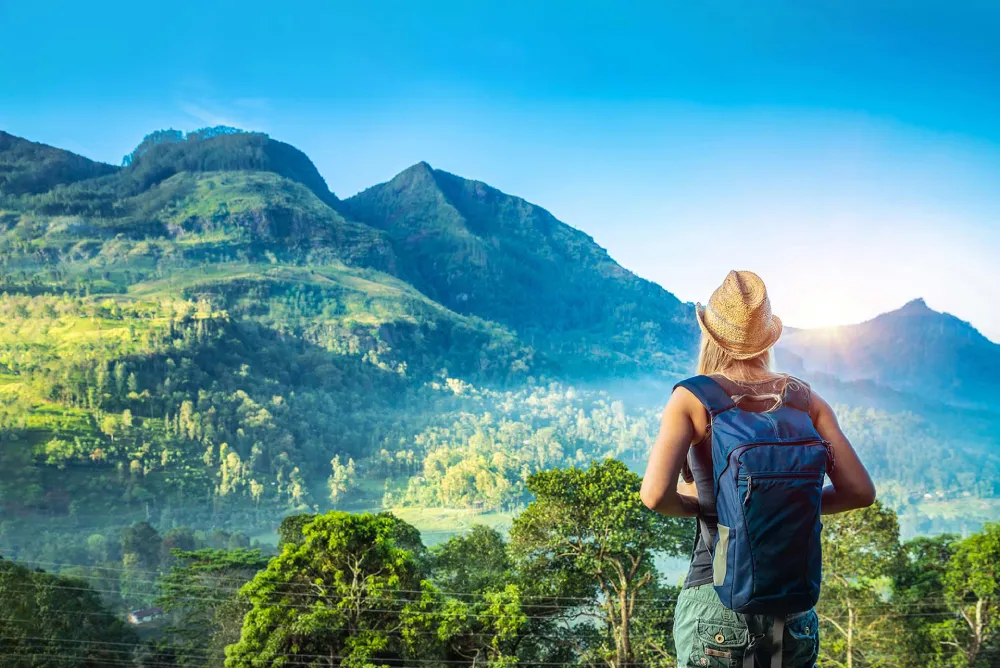
The higher you climb, the more impressive the landscape becomes. Forests, villages, and distant mountains can all be seen from the top.
The climb also adds to the experience, creating a sense of anticipation before entering the sacred caves.
Although the path includes steps, it is manageable for most visitors and well worth the effort.
Spiritual and Cultural Atmosphere
Dambulla Cave Temple remains an active place of worship, and many local devotees visit regularly to pray and make offerings.
The calm surroundings, scent of incense, and quiet atmosphere create a strong sense of spirituality. Visitors can often observe traditional religious practices taking place inside the caves.
The temple is not only a tourist attraction but also an important spiritual center for Sri Lankan Buddhists.
Its peaceful environment encourages reflection and respect for the site’s religious significance.
Wildlife and Natural Surroundings
The area around Dambulla Cave Temple is surrounded by natural beauty. Trees and rocky landscapes create a peaceful environment that complements the sacred atmosphere.
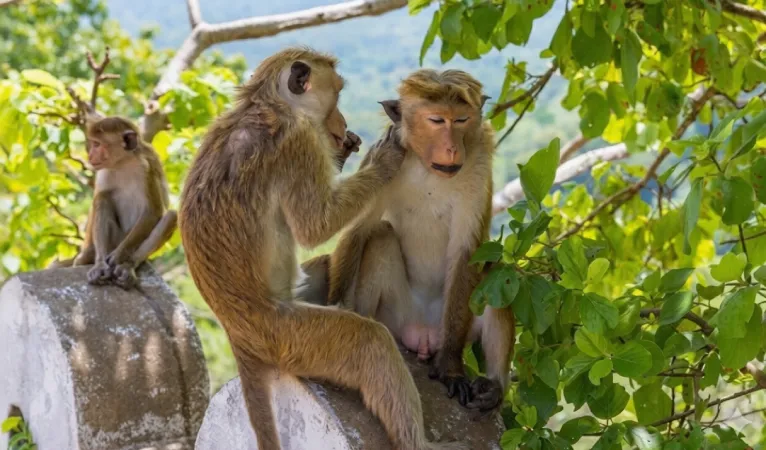
Monkeys are commonly seen near the temple entrance and along the pathways. Birds and butterflies also add life to the surroundings.
The location of the temple within a rocky hill enhances its dramatic appearance and makes the experience feel connected to nature.
The combination of culture and landscape makes Dambulla one of the most visually impressive destinations in Sri Lanka.
Accessibility and Location
Dambulla Cave Temple is located in central Sri Lanka and is easily accessible from popular destinations such as Sigiriya, Kandy, and Anuradhapura.
Its central location makes it a popular stop for travelers exploring the Cultural Triangle.
The temple can be reached by car, bus, or guided tour, making it convenient for both local and international visitors.
Many travelers combine a visit to Dambulla with nearby attractions, especially Sigiriya Rock Fortress.
Best Time to Visit
The best time to visit Dambulla Cave Temple is during the morning or late afternoon when temperatures are cooler.
Early visits are especially enjoyable because the temple is quieter and the lighting is softer for photography.
The dry season generally offers more comfortable conditions for climbing and exploring the caves. However, the temple remains beautiful throughout the year.
Visitors are advised to wear comfortable footwear and bring water, especially during warmer days.
Conservation and Preservation
As a UNESCO World Heritage Site, Dambulla Cave Temple is carefully preserved to protect its historical and cultural value.
Conservation efforts focus on maintaining the ancient murals, statues, and cave structures while allowing visitors to continue exploring the site.
Respectful tourism plays an important role in protecting the temple for future generations. Visitors are encouraged to follow temple rules and maintain the peaceful atmosphere.
Preserving Dambulla is important not only for Sri Lanka but also for global cultural heritage.
Conclusion
Dambulla Cave Temple is one of Sri Lanka’s most remarkable cultural and spiritual landmarks. Its ancient caves, sacred artwork, and peaceful surroundings create a truly unforgettable experience.
Whether you are interested in history, religion, architecture, or photography, the temple offers something meaningful for every visitor.
A visit to Dambulla is more than just sightseeing—it is a journey into Sri Lanka’s rich cultural and spiritual heritage.
If you are interested in exploring more historical and cultural landmarks after visiting Dambulla Cave Temple, Sri Lanka offers many incredible heritage sites across the island. From ancient cities to royal kingdoms and sacred temples, each destination reveals a different part of the country’s rich history. Read our guide to the ancient kingdoms of Sri Lanka to discover more fascinating historical sites and cultural experiences.
Location Map
Nearby Atractions
- Riverston, Sri Lanka – A Journey Through Misty Mountains - 38.1 km
- Hulu Ganga Waterfall - 51.5 km
- Yahangala - 56.9 km
- Adigar's Manor: Sleeping Inside the Last Days of the Kandyan Kingdom - 60.7 km
- Udawatta Kele Sanctuary – A Tranquil Forest Reserve in Kandy - 61.8 km
- Bahirawakanda Temple Kandy - 62.3 km
- Athgala Sri Dalada Maligawa - 62.3 km
- Nelligala International Buddhist Centre, Kandy: A Complete Visitor's Guide - 62.3 km
- Ehelepola Walawwa - (Wax Museum kandy) - 62.3 km
- Sri Dalada Maligawa - Temple of Tooth Relic - 62.5 km