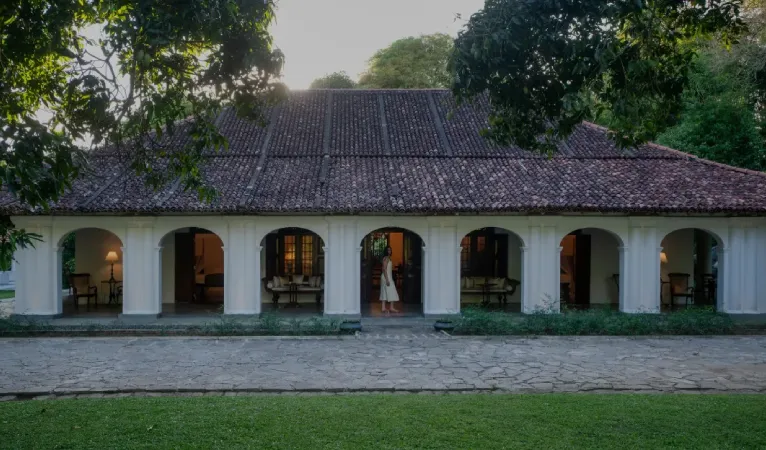
Just outside Kandy, past the paddy fields and the winding lanes of Gunnepana, there is a 222-year-old walauwa that has quietly stayed in one long story. Adigar’s Manor is not dressed up to look historic. It simply is. Commissioned in 1804, this house has stood through the fall of the Kandyan Kingdom, the arrival of British rule, and generations of a noble family whose name is still tied to the Temple of the Tooth Relic today.
For anyone who wants a Kandy stay that goes deeper than a hotel room, this is one of the more remarkable addresses in the hill capital.
A House Built Before the Kingdom Fell
Adigar’s Manor was built in 1804, only eleven years before the Kandyan Kingdom, the island’s last independent kingdom, was ceded to the British. At the time, Kandy was still a world apart. Shielded by mountains and forest, it had held off the Portuguese and the Dutch for nearly three centuries. The British had already taken the coast from the Dutch by 1796, and their first real attempt on Kandy, the 1803 campaign under Governor Frederick North, ended in disaster for them, undone by disease, scorched-earth resistance, and the terrain itself.
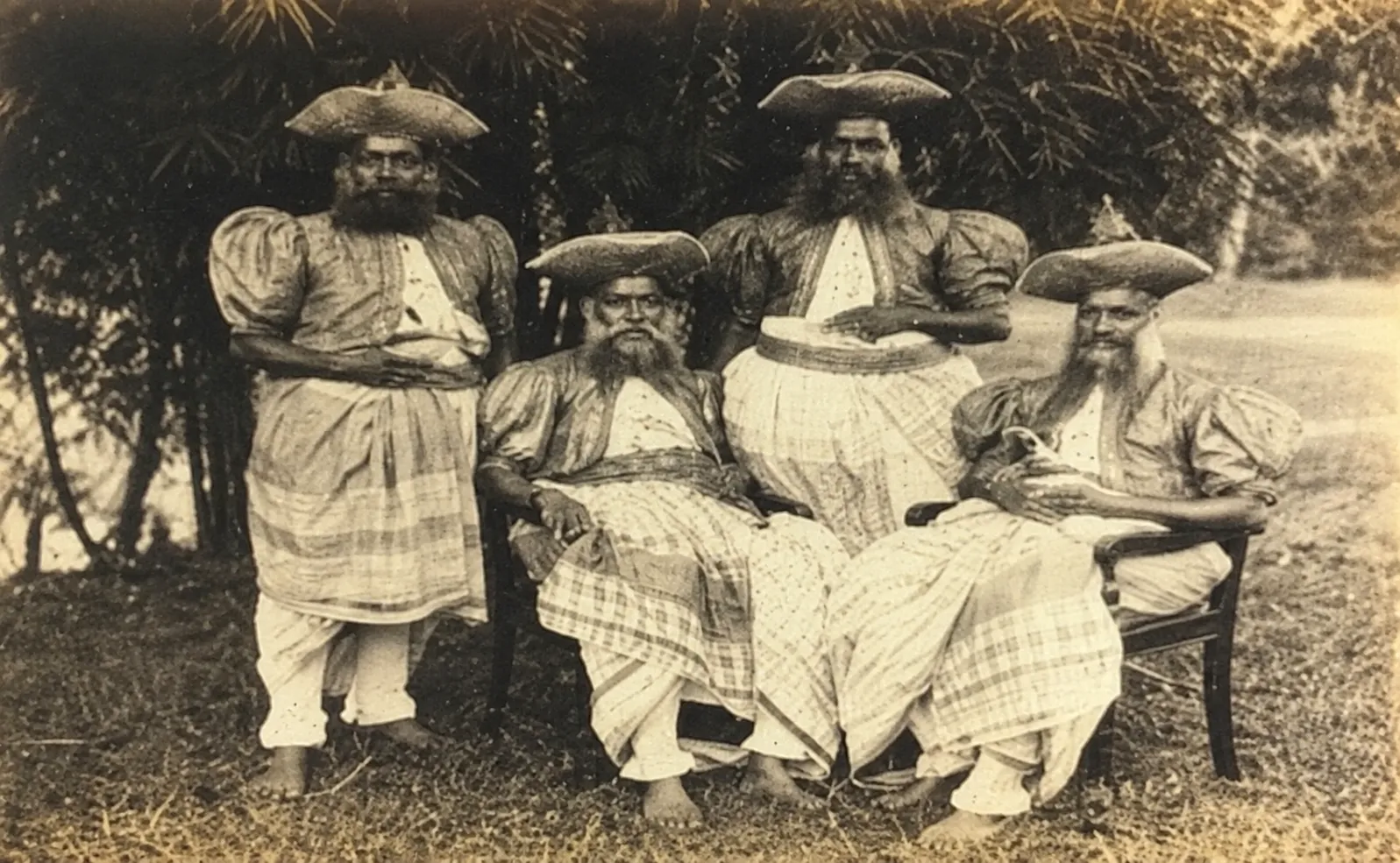
What eventually broke the kingdom was not a foreign army but internal politics. Kandyan governance ran through a dual Adigar system, where the Adigars held ministerial power that in practice could rival the king’s own. Beneath them sat the rate mahatmayas and provincial chiefs, whose rivalries, succession disputes, and shifting loyalties slowly wore down the court from within. By the time Governor Sir Robert Brownrigg’s forces marched in January 1815, defections among senior Kandyan chiefs meant Kandy fell without a major battle. On 2 March 1815, eleven principal chiefs signed the Kandyan Convention, formally ending the monarchy.
The manor’s story is bound up in exactly this moment, the hinge between the old kingdom and the new colonial order.
Ratwatte Nilame and the Family Behind the Manor
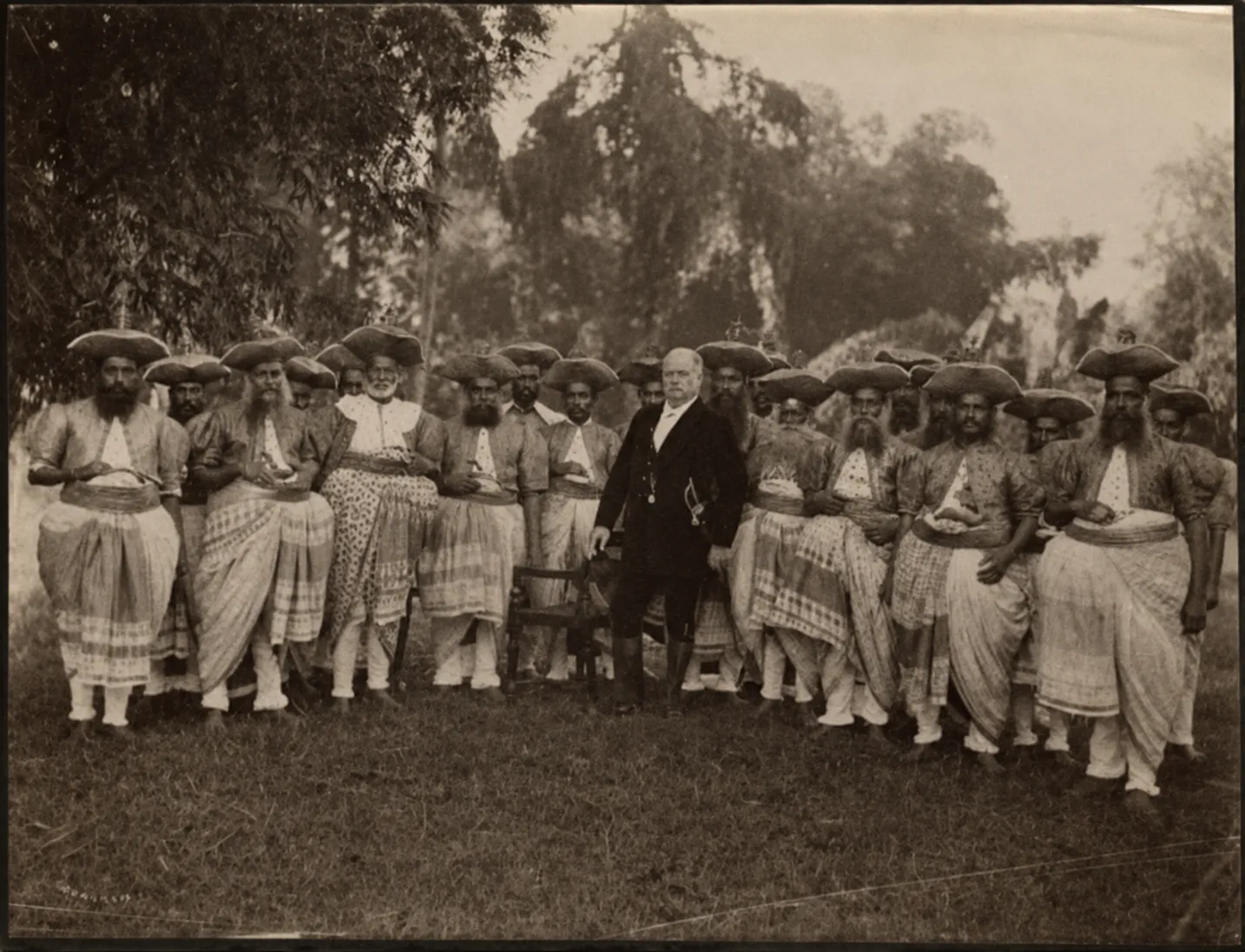
The family connected to Adigar’s Manor is the Ratwatte clan, a Radala Sinhalese lineage with roots in Matale South and the Dumbara Valley just north of Kandy. Over centuries, the Ratwattes built a reputation as one of the kingdom’s most established noble houses, holding chieftaincies and provincial offices that historical records trace back more than three hundred years.
The central figure in the manor’s history is Ratwatte Nilame, also known as Loku Nilame Adikaram Ratwatte. After the kingdom’s annexation in 1815, he continued to hold major office under the new British administration, serving as Second Adigar, a position roughly equivalent to a prime minister or chief advisor, and as Dissava of Matale, overseeing provincial revenue, justice, and military matters. He was reportedly granted the right to sit on a chair in the audience hall, a striking break from Kandyan protocol that signalled his standing in the transitional colonial order. His dealings even show up in the diary of John D’Oyly, the British official most closely tied to negotiating the 1815 Convention.
Ratwatte Nilame died in 1827, still holding both offices. What he left behind was not just land and title but a family line that kept climbing. His descendants would go on to serve repeatedly as Diyawadana Nilame, the lay custodian of the Temple of the Tooth Relic in Kandy, one of the most sacred offices in the country. Four Diyawadana Nilames in total lived within this house, a detail that turns the manor from a beautiful old building into a residence with a direct, lived connection to the Dalada Maligawa itself.
The family’s reach did not stop at the temple and province. Through Barnes Ratwatte Dissawa, the lineage connects to Sirimavo Ratwatte, who married S.W.R.D. Bandaranaike, tying this walauwa’s family history into the political story of modern, independent Sri Lanka.
Kandyan, Moorish, and Dutch, Under One Roof
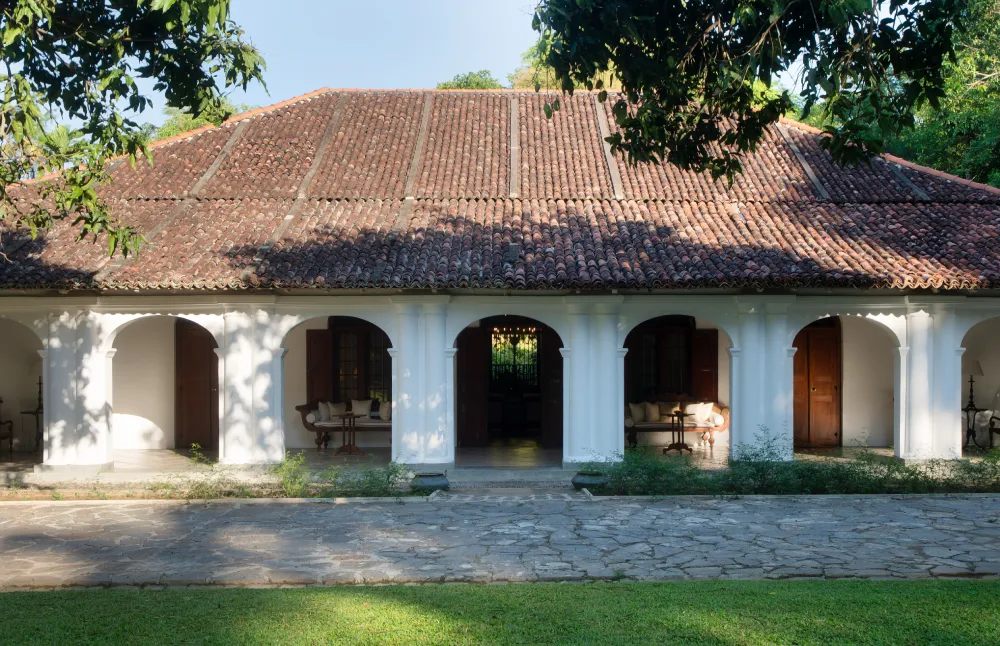
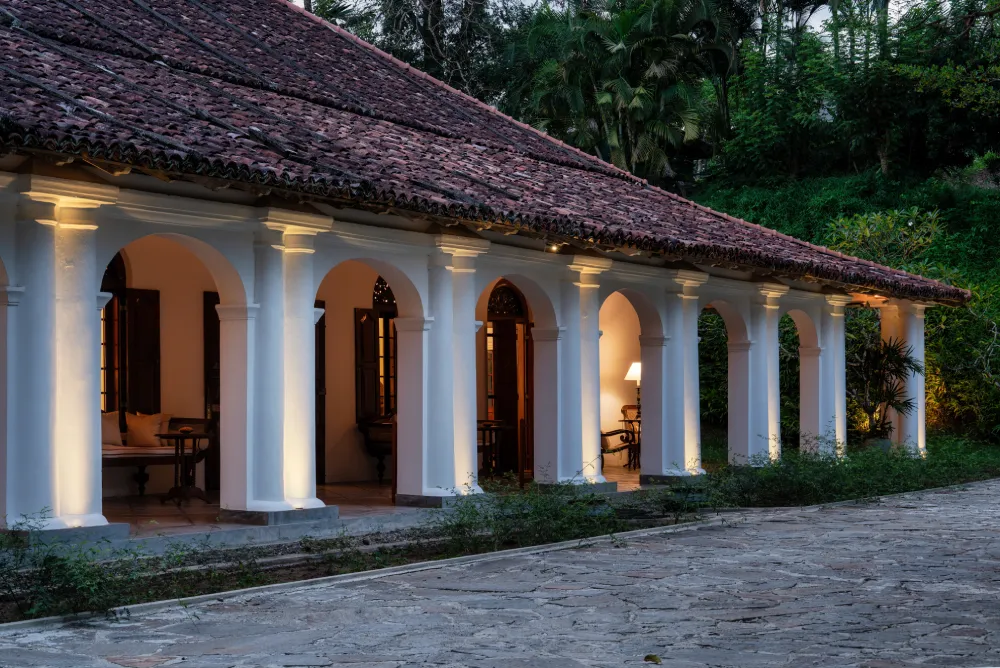
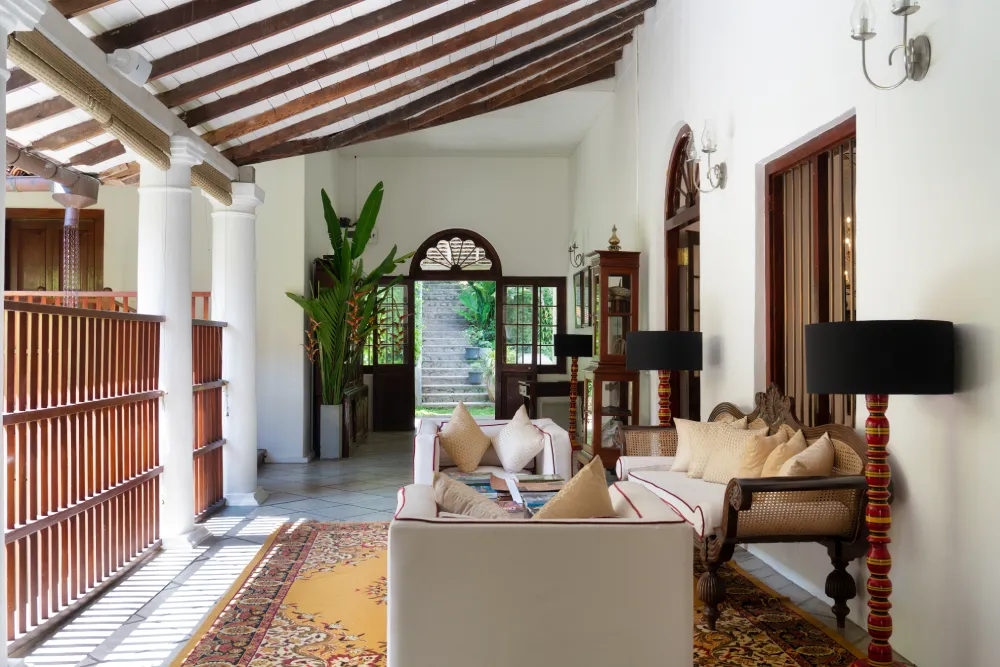
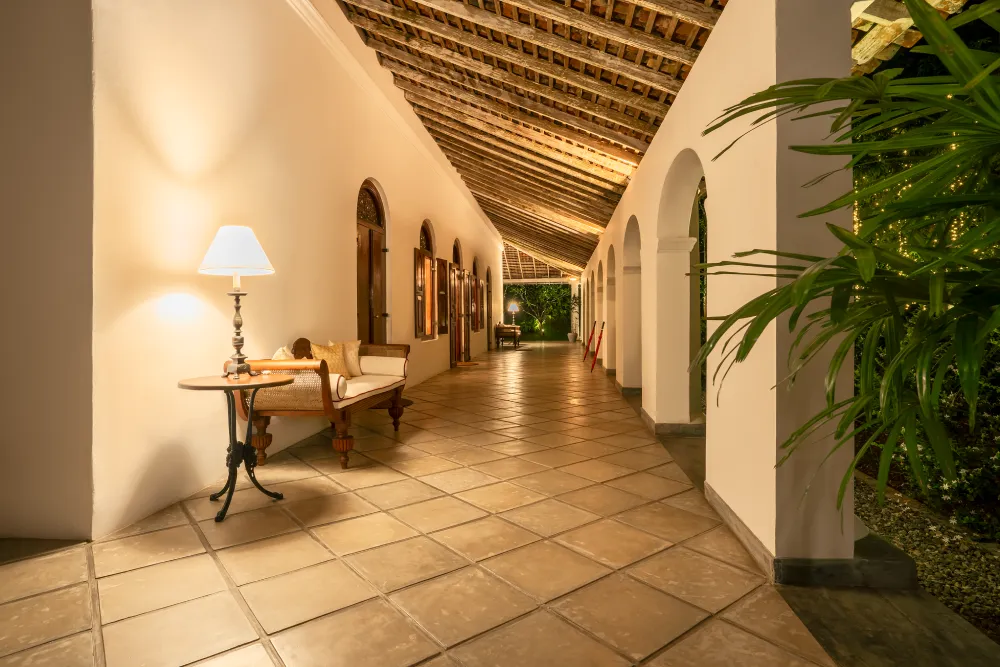
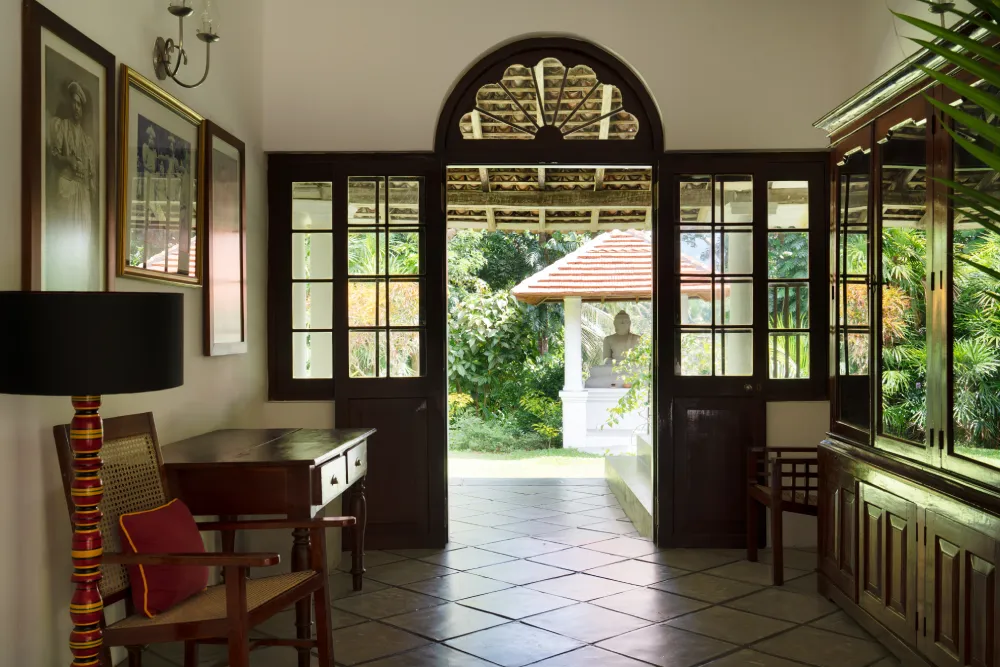
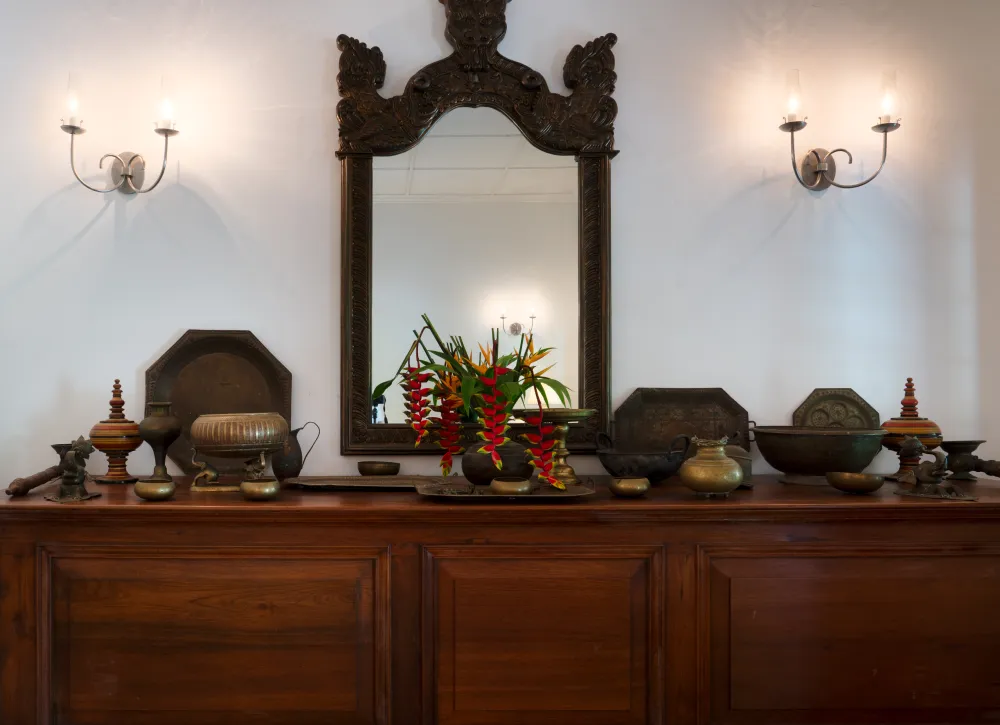
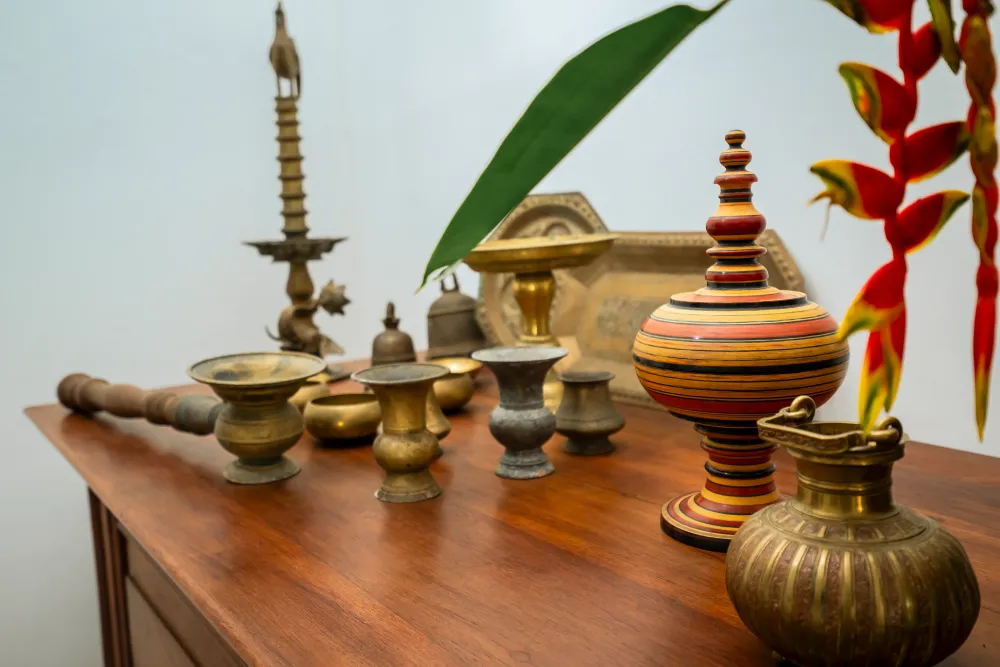
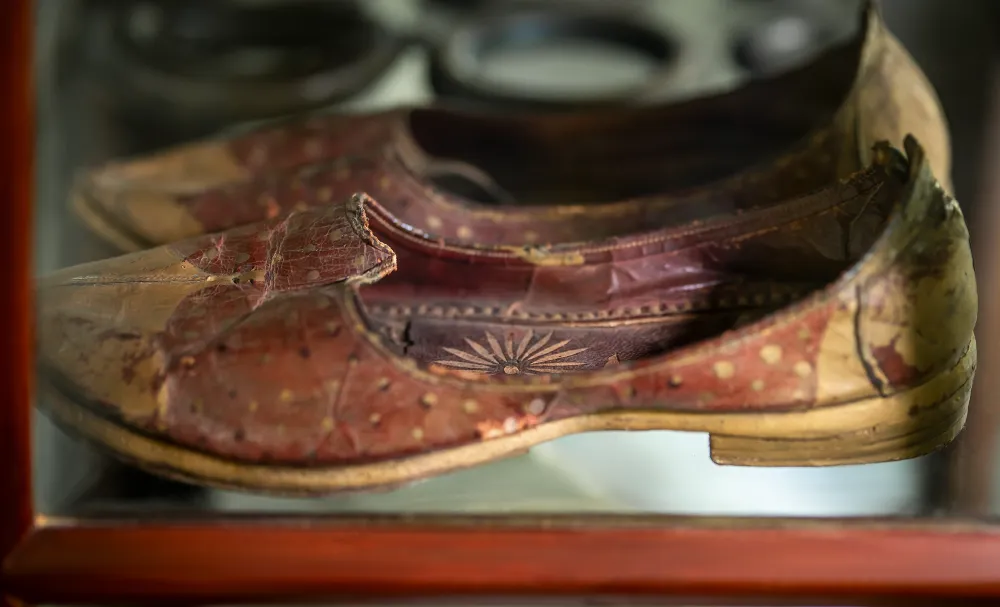
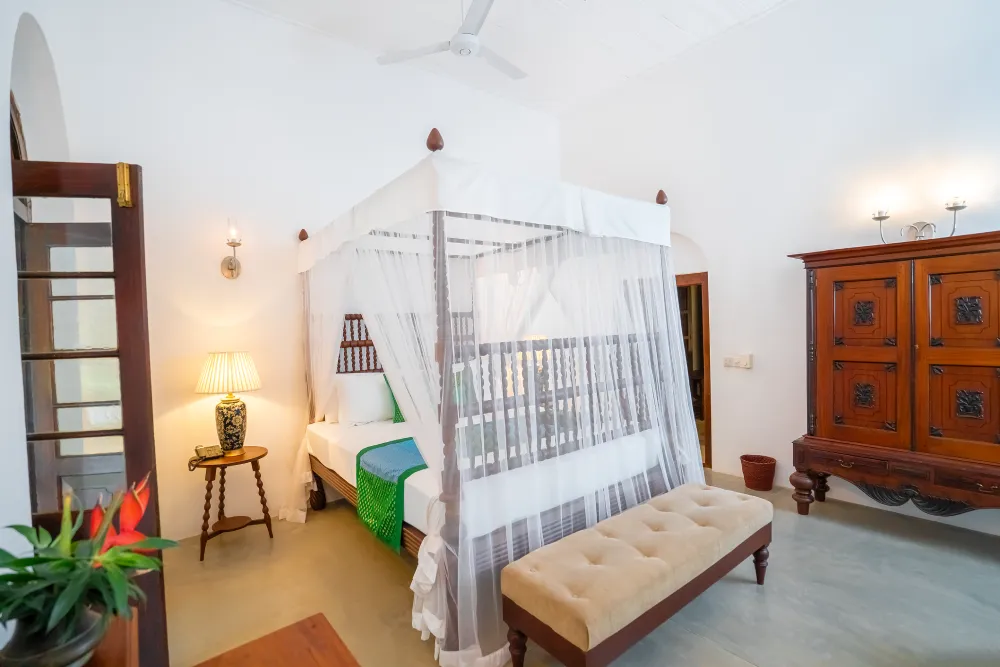
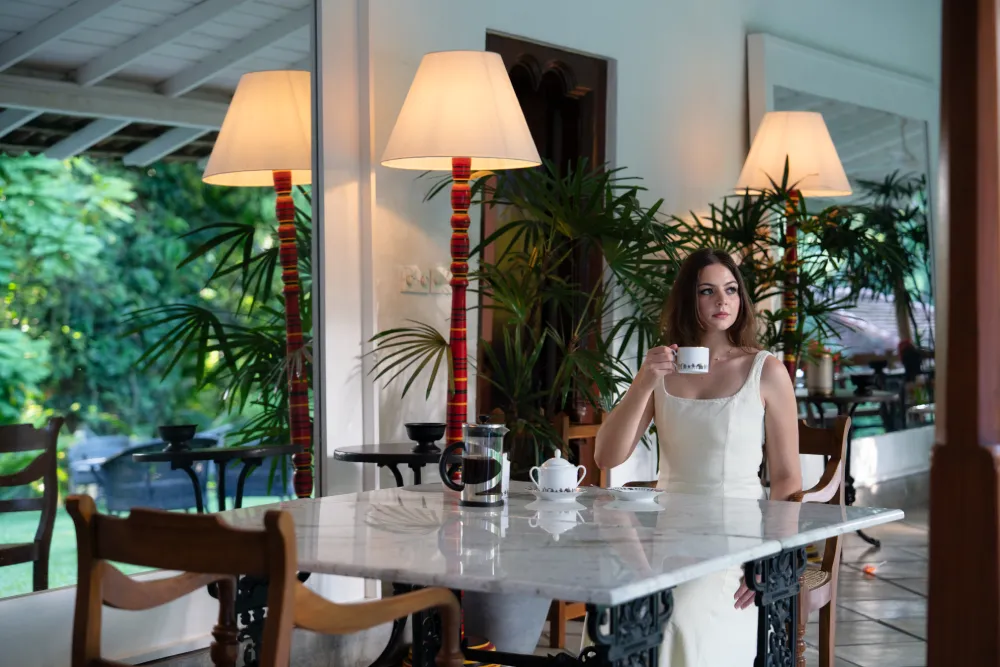
Architecturally, Adigar’s Manor is a record of who passed through the Kandyan hills and left a mark. The building blends Kandyan, Moorish, and Dutch design elements into one structure, a mix that reflects how much this region absorbed even while resisting outright colonisation. The restoration has kept the antiques, detailing, and general hush of an old aristocratic home rather than converting it into a generic heritage hotel. Walking through it feels less like touring a museum and more like being a guest inside someone’s very old, very well-kept family house.
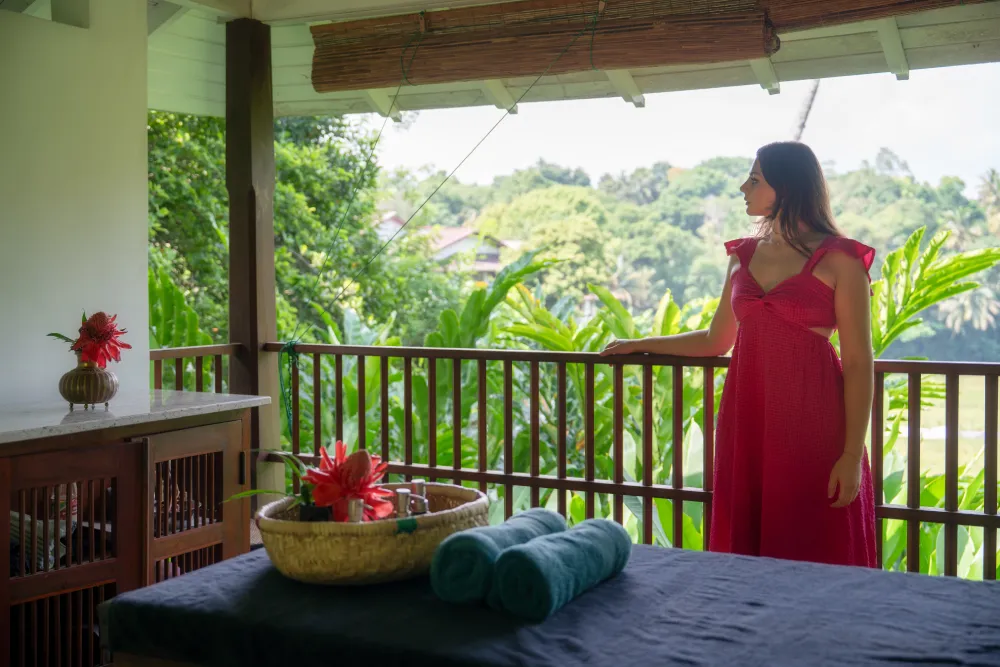
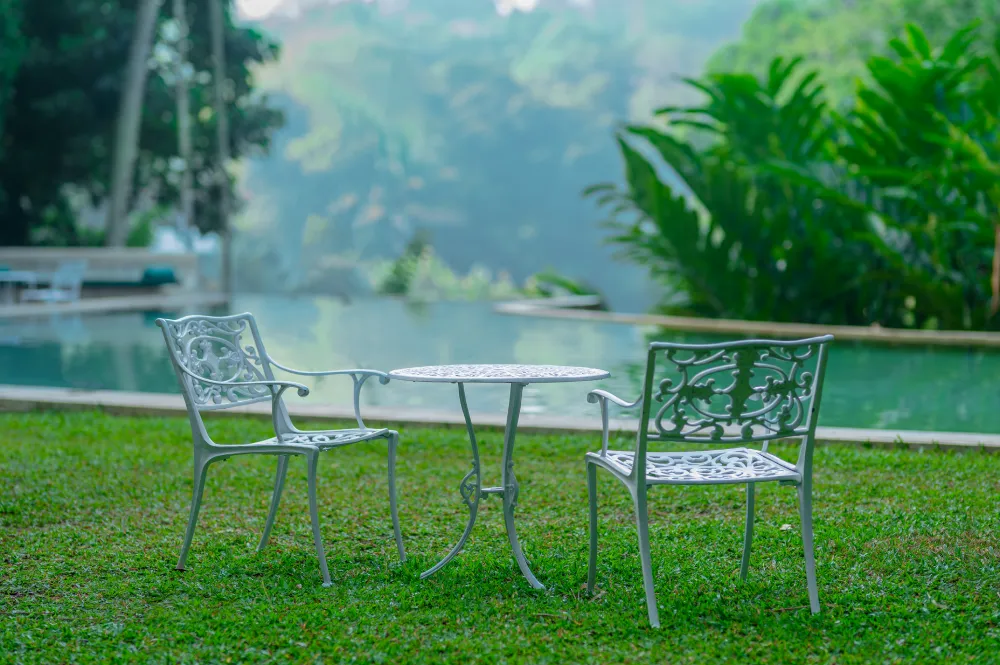
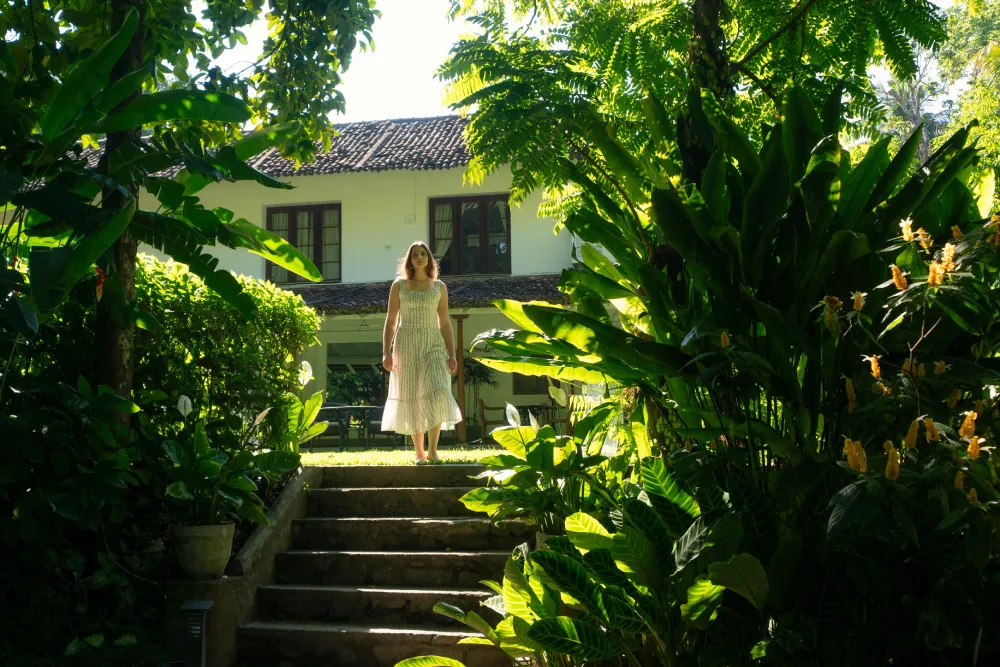
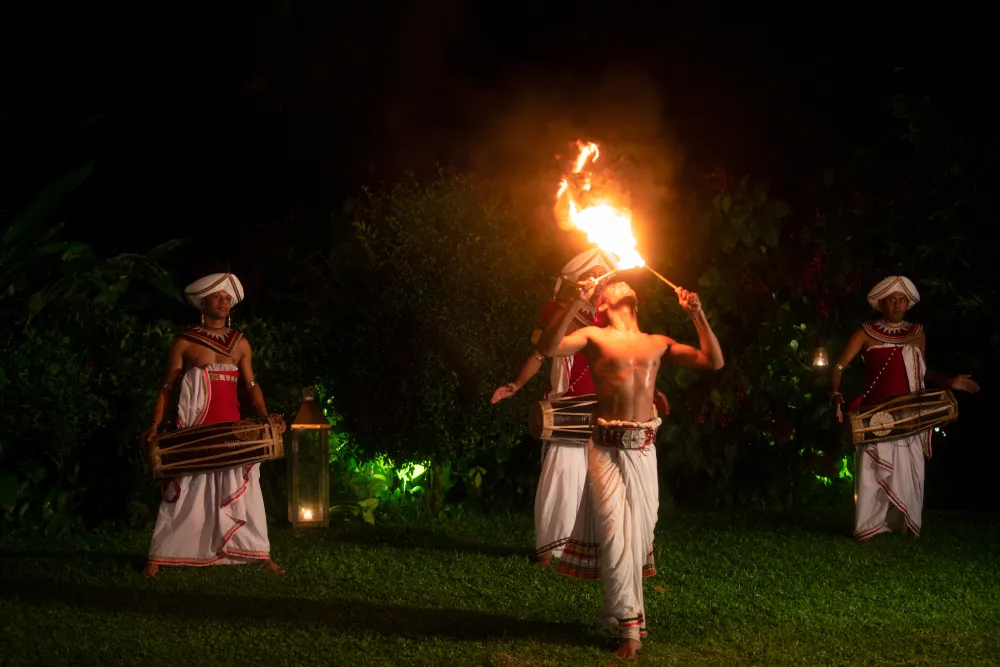
Staying at the Manor Today
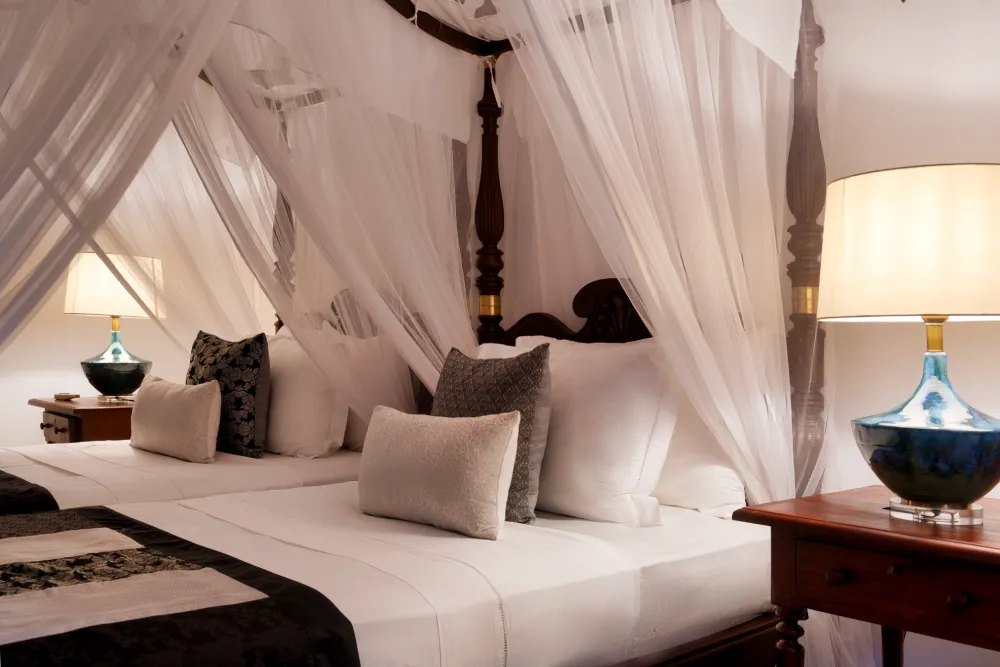
The manor now operates as a boutique property with nine individually styled rooms split across Deluxe and Ultra categories, among them Peacock Royal, Red Spot Duke, Indian Admiral, Black Raja, Sunbeam, Cornelian, Monkey Puzzle, Pioneer, and Lime Butterfly. Each is named and finished with its own character rather than a repeated template, which suits a house built on individuality in the first place.
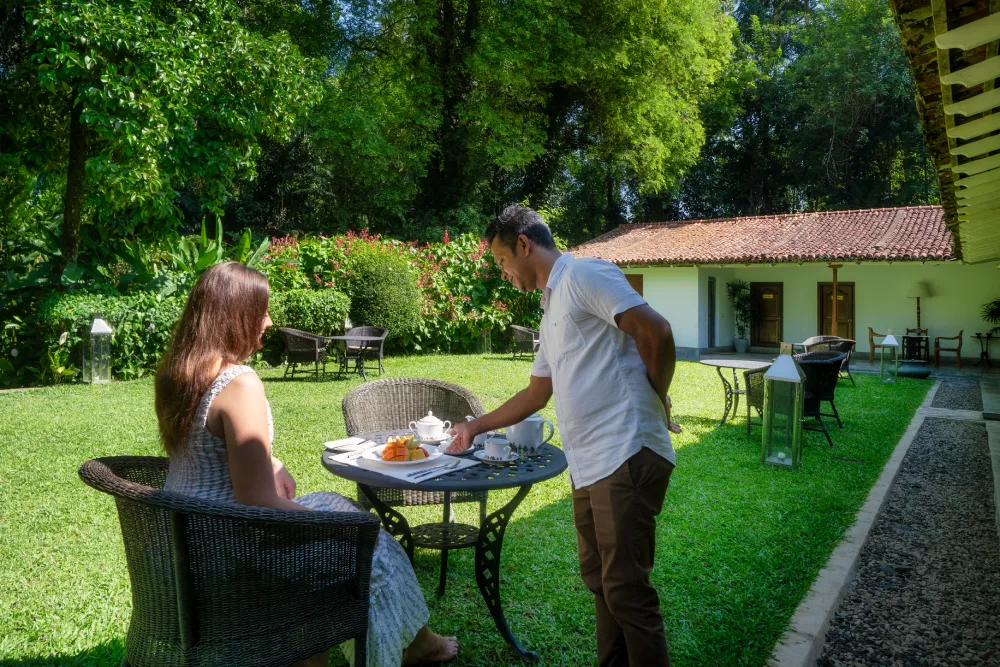
Guests get an outdoor swimming pool, a spa and wellness centre, a restaurant serving authentic Sri Lankan cuisine, daily housekeeping, free Wifi, free parking, and butler-style service, all set inside gardens that keep the property feeling secluded even though Kandy town is close by. Reviewers consistently point to the same things: attentive staff, memorable food, and the sense that the house itself is part of the experience, not just the backdrop for it.
Why It Matters for Kandy Travel
Kandy already has plenty of colonial-era hotels trading on vague “heritage” branding. Adigar’s Manor is a different case, because the history is specific and traceable. A house commissioned in 1804, tied to a Second Adigar who worked with the British negotiator D’Oyly, connected to four custodians of the Temple of the Tooth, and linked by family line to a former prime minister’s wife, is not marketing language. It is a documented thread running from the last king of Kandy to the present day.
For travellers building a Kandy itinerary, staying here adds a layer that a typical hotel simply cannot offer. You are not just close to the Temple of the Tooth and the Kandyan hills; you are staying inside a house whose own family helped look after that temple for generations.
Location: Amunugama Walauwa, Gunnepana, Kandy 20270
Website: adigarsmanor.com
Kandy was the last of several island kingdoms to fall, and its resistance fits into a much longer pattern. From Anuradhapura to Polonnaruwa to Kandy itself, Sri Lanka’s royal capitals were built, defended, and eventually lost across more than two thousand years of shifting power. For readers who want the fuller picture of how these kingdoms rose and fell before the British ever arrived, our guide to the ancient kingdoms of Sri Lanka traces that story from the start.
Location Map
Nearby Atractions
- Udawatta Kele Sanctuary – A Tranquil Forest Reserve in Kandy - 3.1 km
- Athgala Sri Dalada Maligawa - 3.4 km
- Sri Dalada Maligawa - Temple of Tooth Relic - 3.5 km
- Ehelepola Walawwa - (Wax Museum kandy) - 3.7 km
- Bahirawakanda Temple Kandy - 4.5 km
- Pekoe Trail Stage 2 – Galaha to Loolkandura Scenic Hiking Guide - 4.9 km
- Sagama Raja Maha Viharaya - 8.8 km
- Sagama Perahera - 8.9 km
- Bellwood Kandy - The hidden landscape - 11 km
- Nelligala International Buddhist Centre, Kandy: A Complete Visitor's Guide - 12.1 km