Quick facts
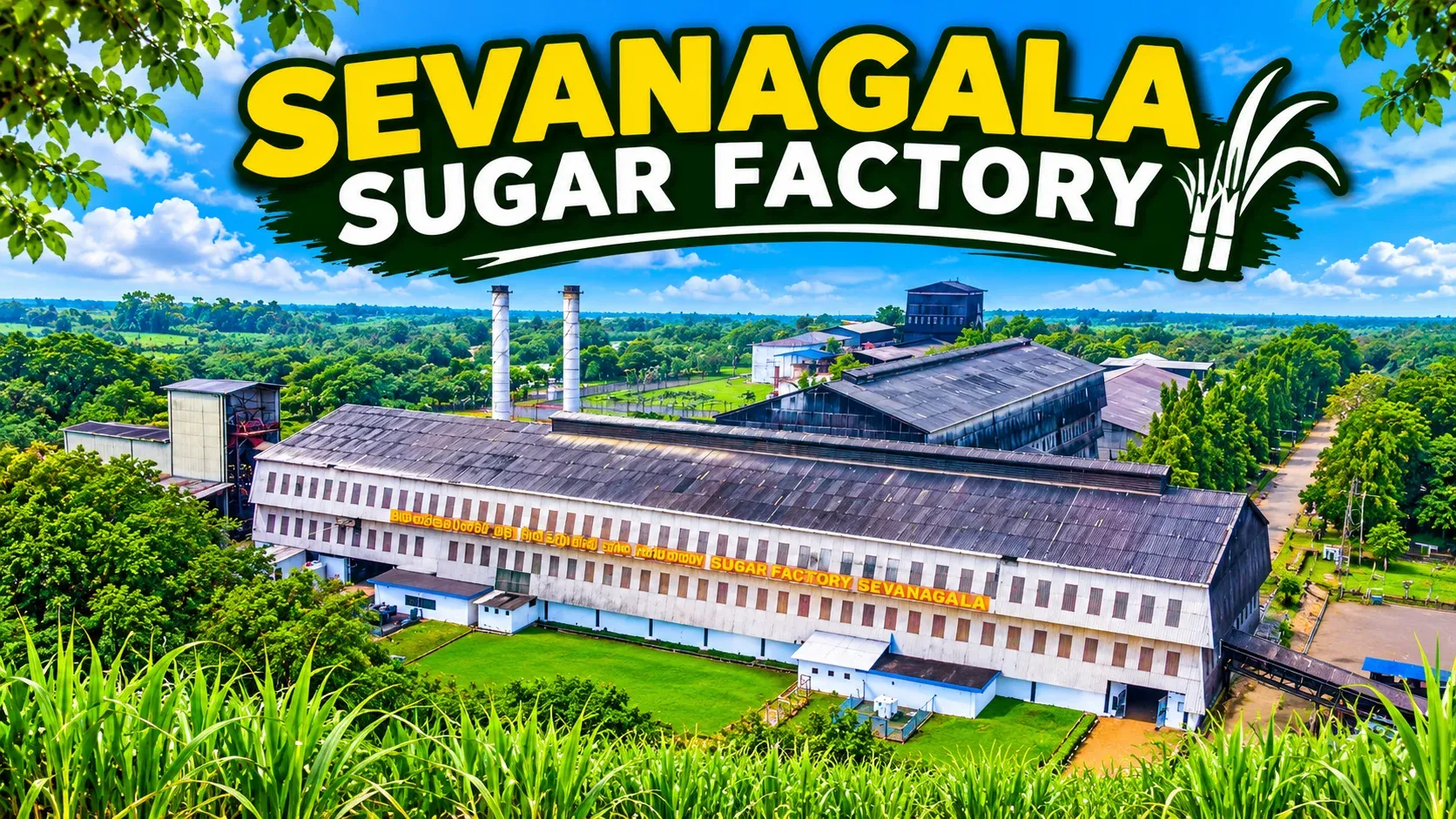
- What it is: A working, government-owned sugar factory with its own cane lands, in the Sevanagala area of Moneragala District.
- Cost: Free entry and a free guide.
- How long: About 40 minutes inside.
- Who can go in: Groups of roughly 5 to 6 or more. If you arrive alone, the gate staff will team you up with another group, as they did for us.
- Children: About 9 years and above only.
- Photography: Not allowed inside the factory. Outdoor photos around the entrance and the cane fields are fine.
- Where to buy sugar: A small welfare shop just outside sells packets of the factory’s brown sugar.
- Nearest anchor points: Udawalawe, Embilipitiya and Thanamalwila.
How we ended up at a sugar factory
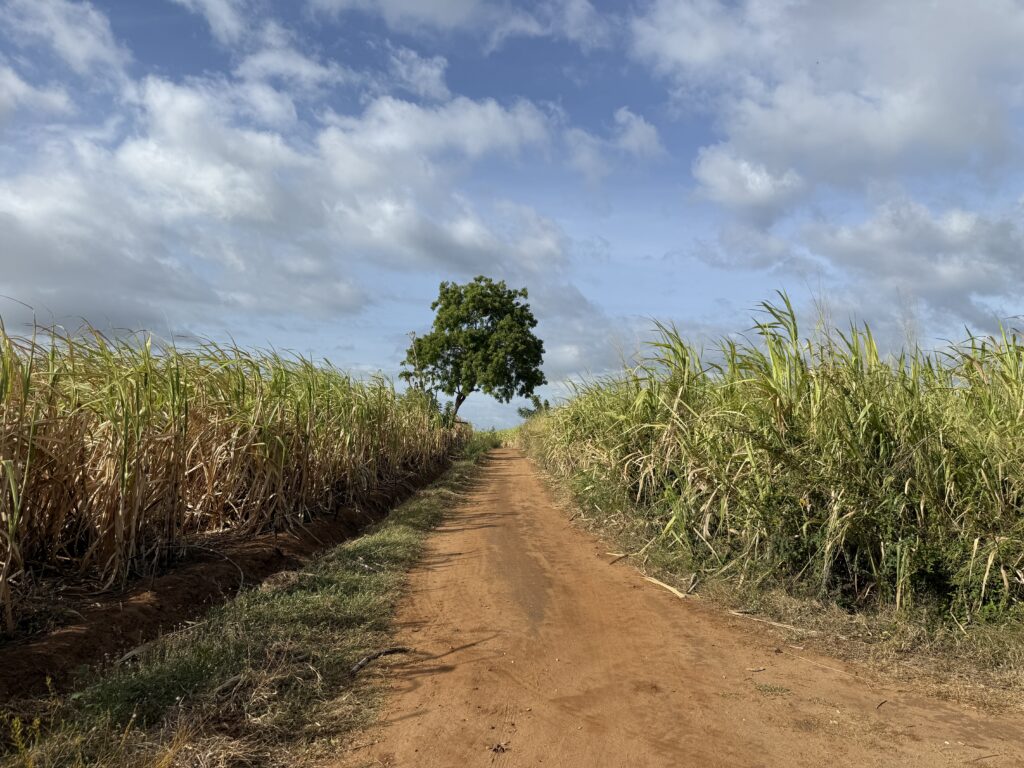
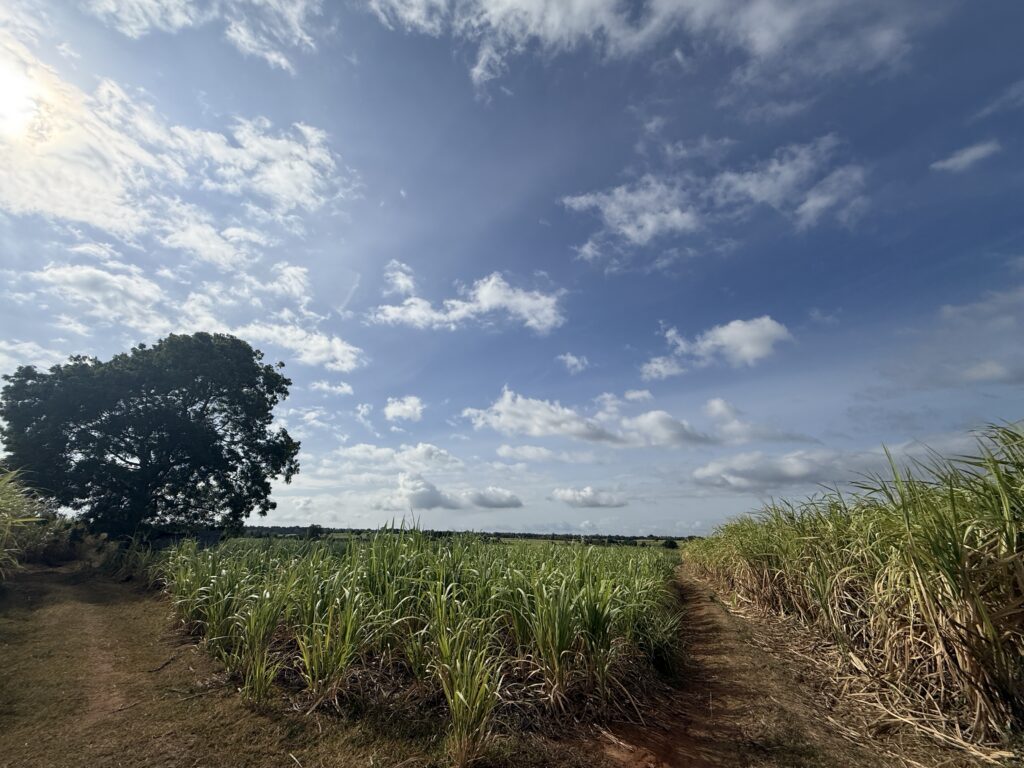
I did not plan this stop. On the Udawalawe leg of our trip, I walked into the sugar cane fields behind our hotel one morning and just kept going. The cane did not stop. It ran on for kilometres, a green and gold sea with a red dirt track cutting through it.
A few days later, on the road from Udawalawe towards Hambantota, we passed a notice board pointing to the Sevanagala Sugar Factory. I had no idea it existed. We were in the car with our two children and a free afternoon, so we turned off to find it. It turned into one of the most interesting stops of the whole trip, which is why it sits in this Udawalawe series next to the national park and the temple visits.
Getting there
Sevanagala sits on the B527 road between Embilipitiya and Thanamalwila, in the western part of Moneragala District. Embilipitiya is roughly 17 km away and Thanamalwila roughly 15 km, and Colombo is about 225 km (6 to 7 hours by road). Udawalawe National Park is a short drive away.
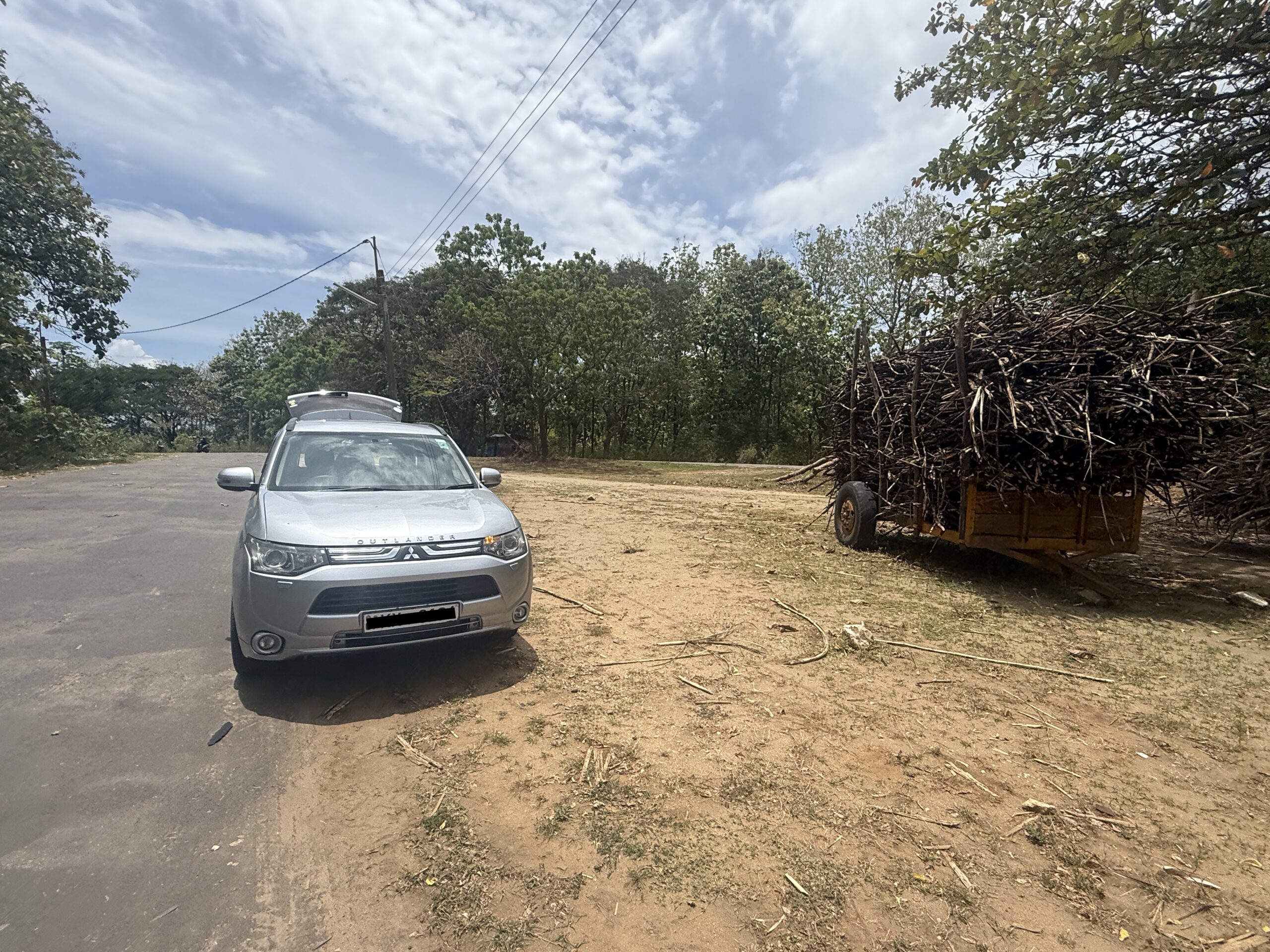
From Udawalawe, the factory is a detour on the way towards Hambantota. We followed the signboard and then the roads got smaller. The last stretch was a narrow road and then a plain dirt track, and I asked villagers for directions along the way.
They pointed us to what I believe was a shortcut, so there may be a better road in. Sugar cane lines both sides the whole way, and you will pass tractors hauling loads of cane.
Practical tips for the drive:
- Search for “Sevanagala Sugar Factory” in Google Maps and save the pin before you leave, because mobile signal can drop in the cane lands.
- Ask locals at the last junction. People here know the factory well, and school groups visit often.
- Expect narrow roads, tractor traffic and dust. We managed in a normal family SUV, but go slowly on the dirt sections.
- Allow extra time, because the last stretch is slow.
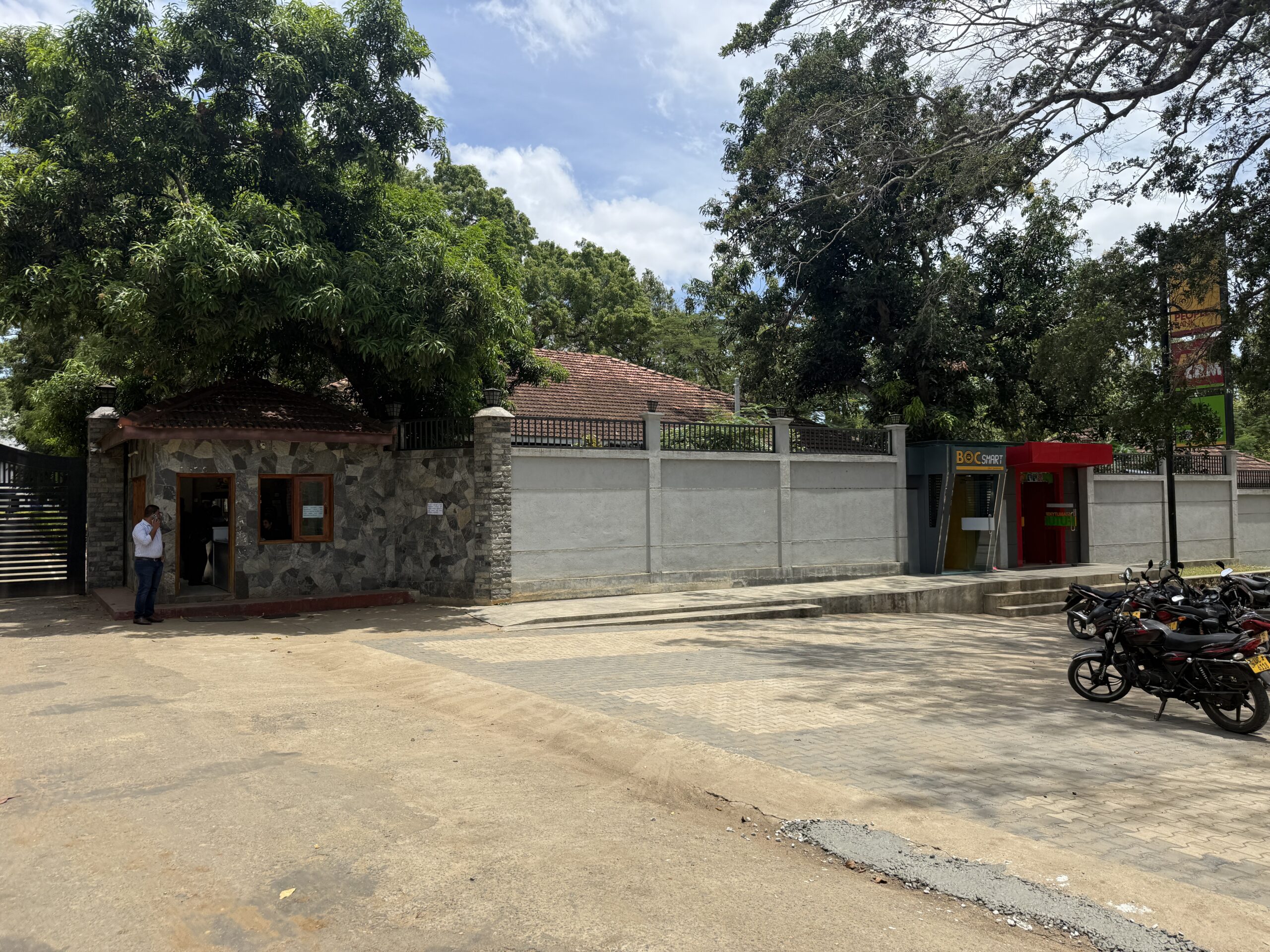
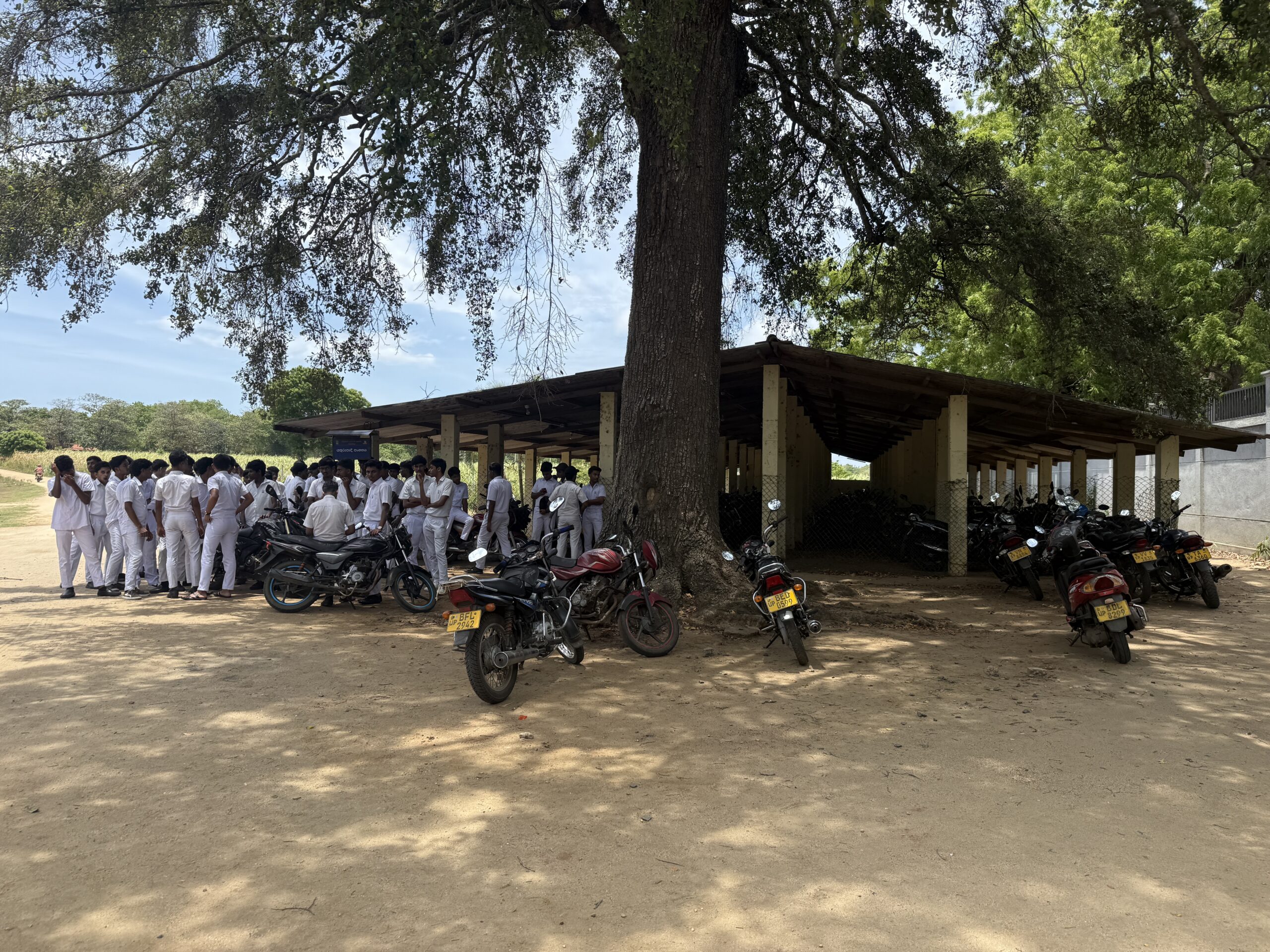
Arriving at the gate
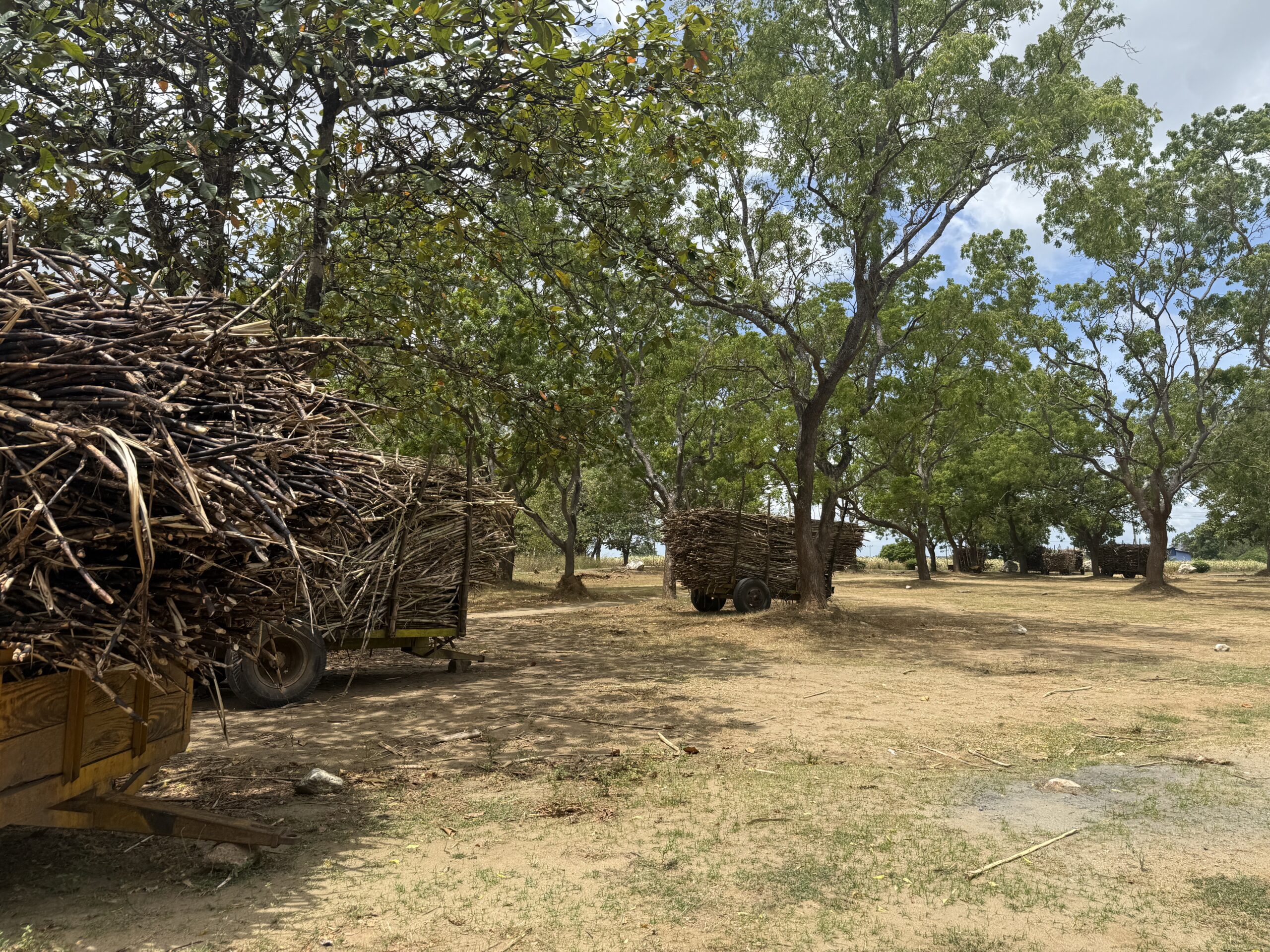
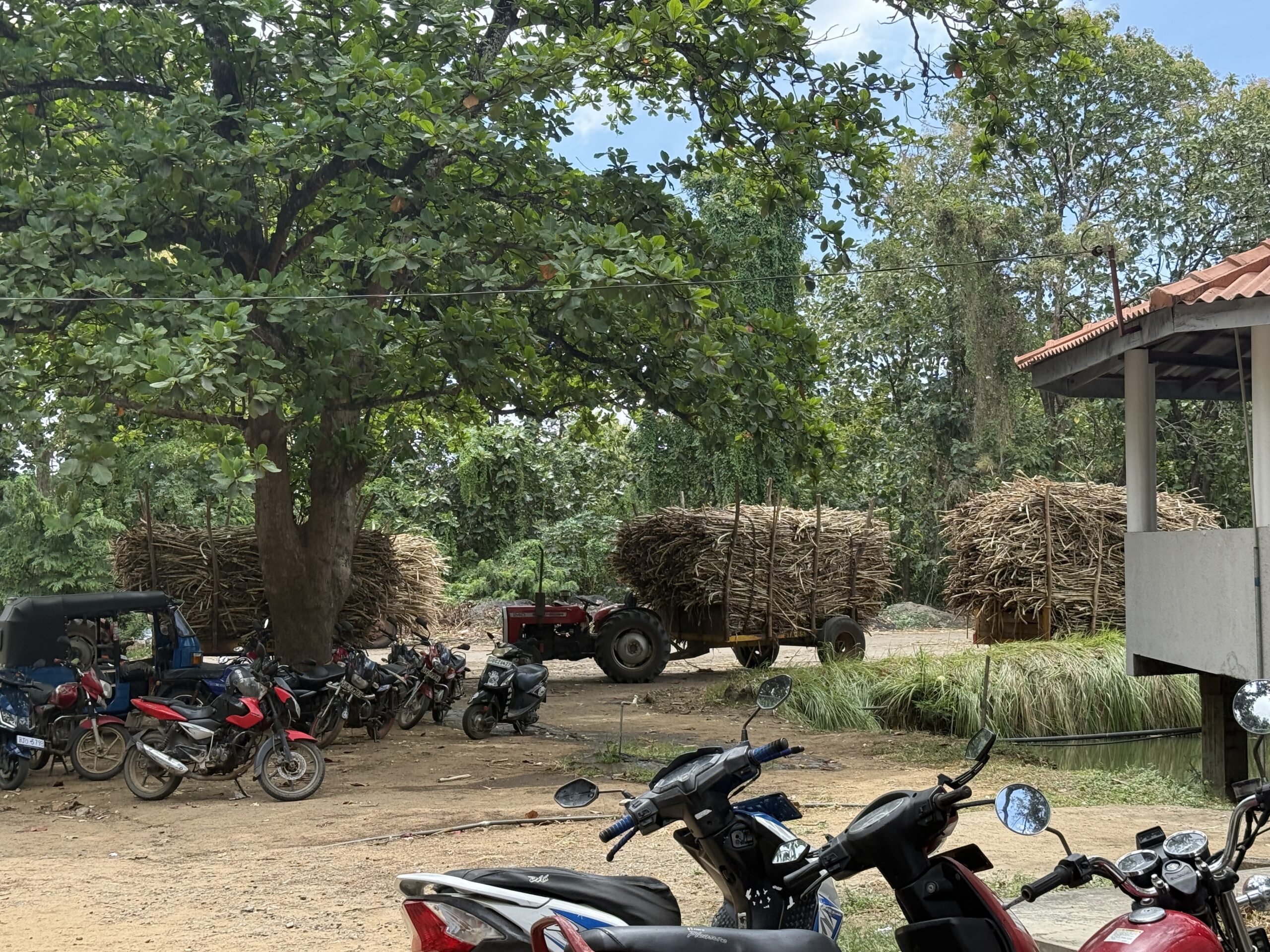
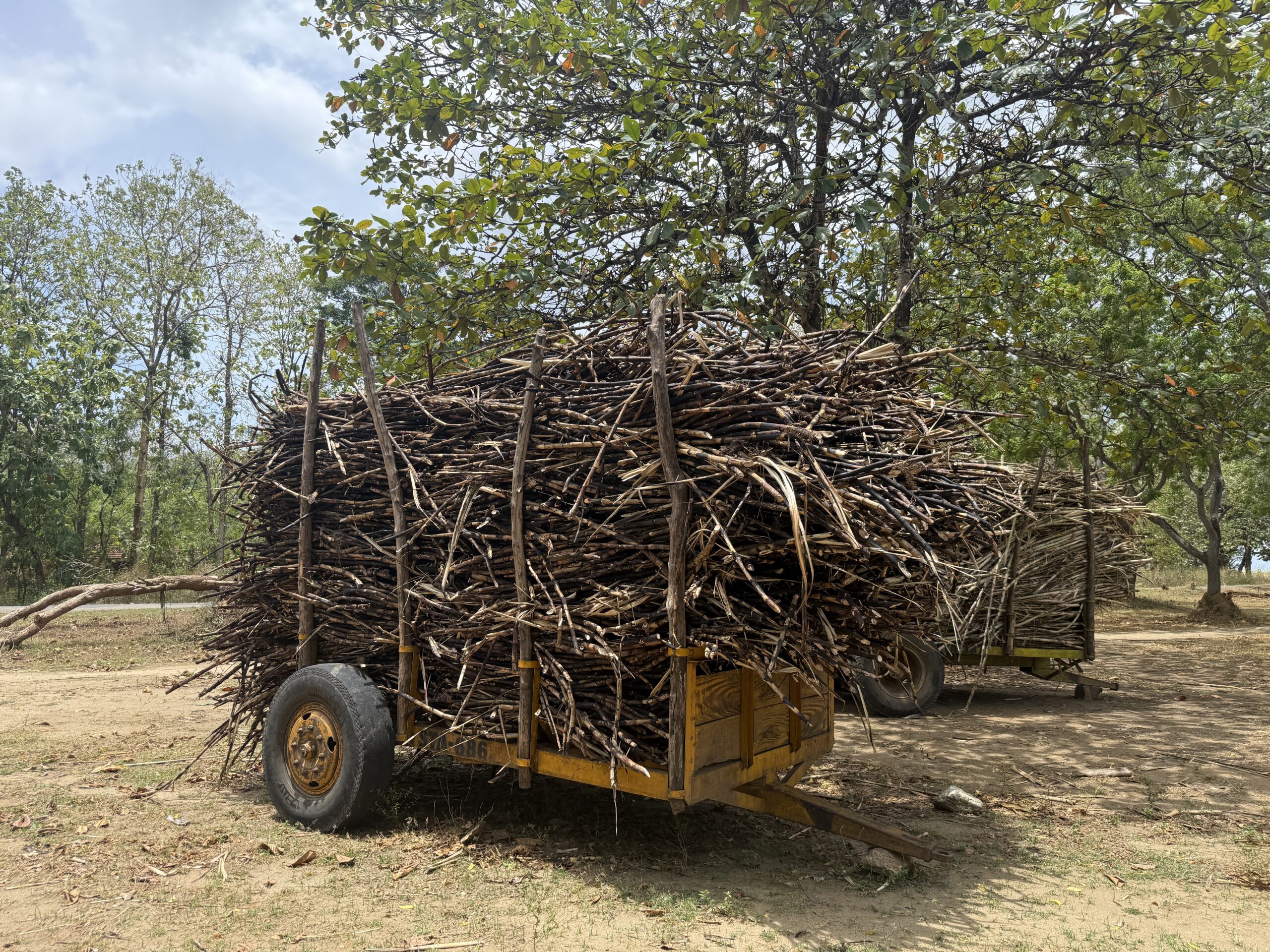
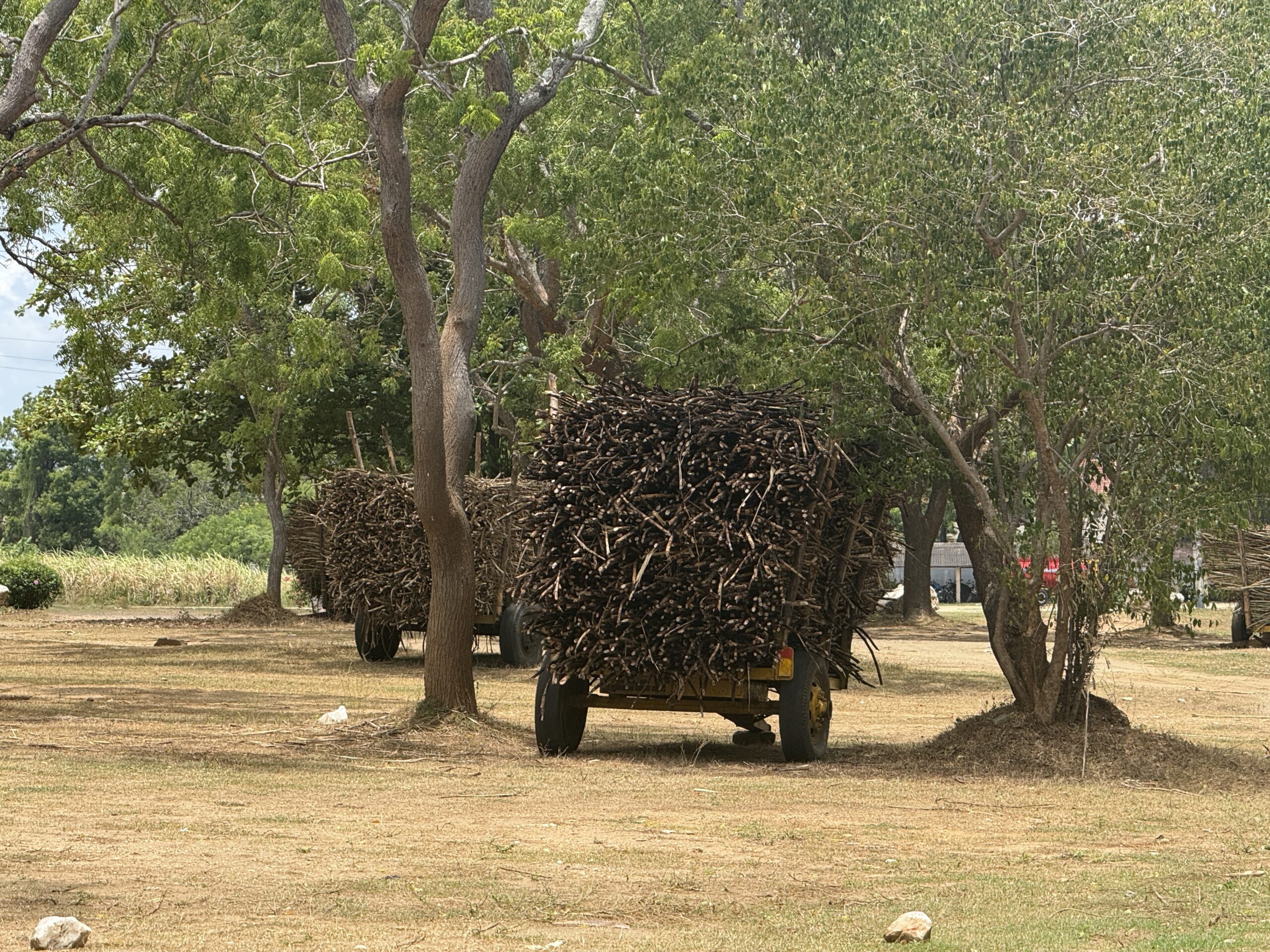
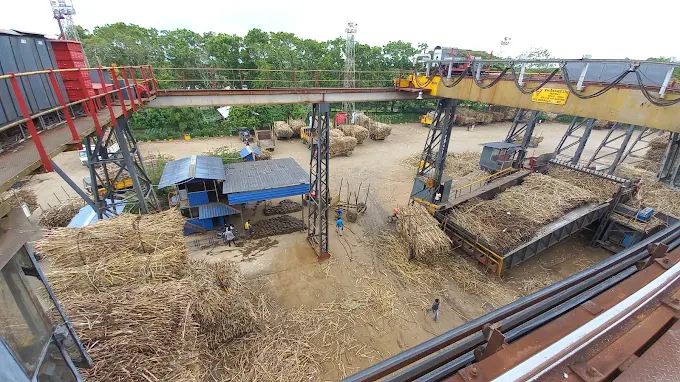
Around the factory, the cane fields go on for miles. As you approach the entrance, you start to see tractors parked under the trees with trailers stacked high with cut cane, waiting to unload.
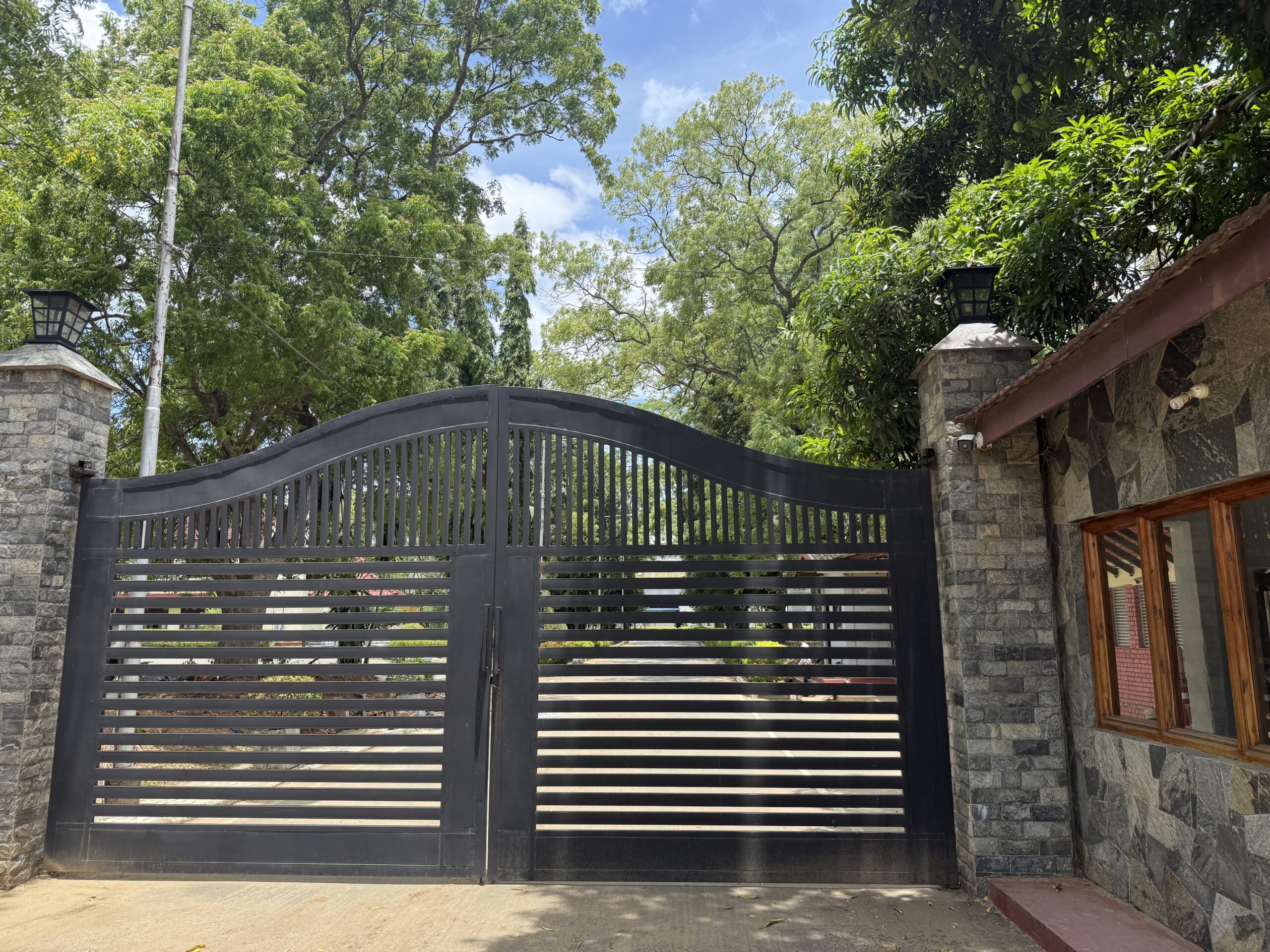
At the main gate I parked, then walked to the security post and asked for permission to look around. They agreed, with two conditions that are worth knowing before you go.
1. Children under about 9 are not allowed in. The factory’s technology is old and it is genuinely loud inside. My wife stayed in the car with our two kids while I went in, so if you travel with young children, plan for one adult to wait outside.
2. You tour as a group with a guide. Because school groups visit most days, the factory assigns a security officer as a guide, but only for groups of around 5 to 6 or more. I was alone, so I waited at the gate until a group of local visitors from the Sevanagala area arrived. The security staff put me in with them, which worked well for everyone.
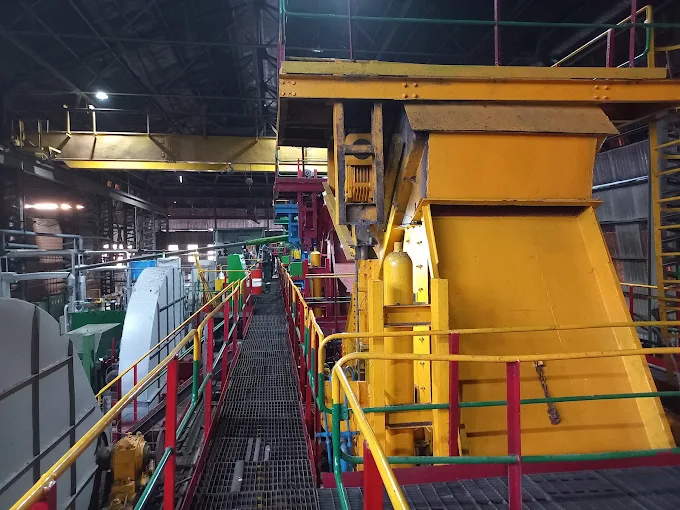
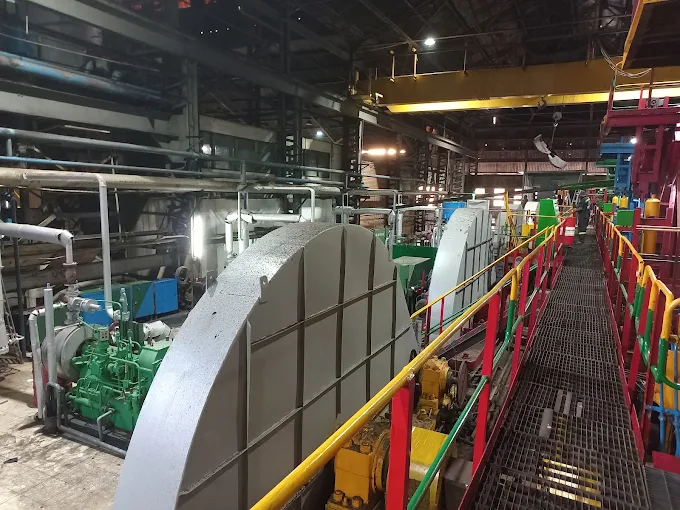
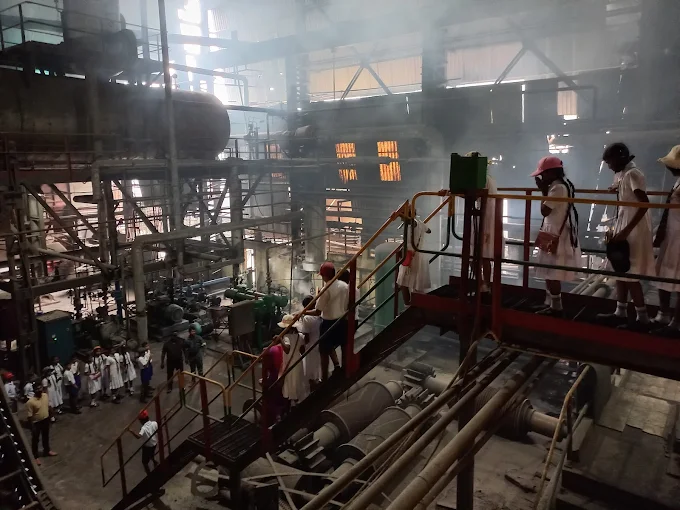
Inside the factory: how sugar is made
You are not allowed to take photos inside, so I will describe it instead.
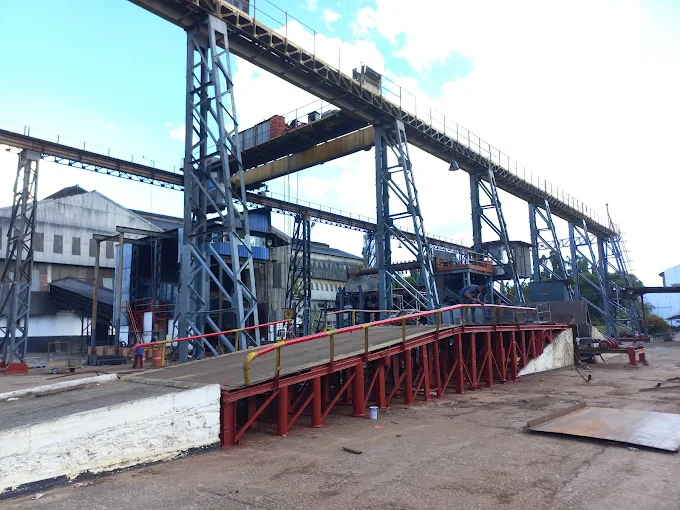
The building is a steel structure of two or three floors with steel staircases between them. The machinery looks old but works well, and the guide walked us through each stage in order.
- Cane arrives. Tractors and lorries bring in cut cane and unload it at a huge yard at the front. The cane is stacked in one big pile, roughly 30 to 50 feet high by my guess. From another part of the pile, cane is fed into the factory.
- Crushing. The cane is shredded and crushed to squeeze out the sweet juice.
- Cleaning and boiling. The juice is treated and cleaned, then boiled down in the evaporators and pans. This is where the mixing tanks and added chemicals come in. Sugar factories typically use lime to clear impurities from the juice, though I did not catch exactly what was used here.
- Crystals form. As the thick syrup cools and concentrates, sugar crystals form. These are separated out, dried, and packed. At Sevanagala, the packing area is part of the tour, and you can see the packets being filled before they go to the warehouse.
- The leftovers are used too. Once the juice is out, the crushed fibre (called bagasse) is dried and burned in the boilers as fuel. The boilers make steam, and the steam runs the machinery and generates power, much like an old steam train engine. Our guide explained that the factory only takes electricity from the grid to start up. After that, it runs on its own cane waste. That is a neat closed loop and one of the best things to see in person.
- The dark syrup left over. What remains after the sugar crystals are removed is molasses. The factory has a distillery on site, and molasses is turned into ethanol, which is sold on to distilleries for the liquor industry. The guide mentioned this, and I wanted to double-check it afterwards. Ethanol is indeed a major income source for Sri Lanka’s state sugar factories.
Why the sugar is brown
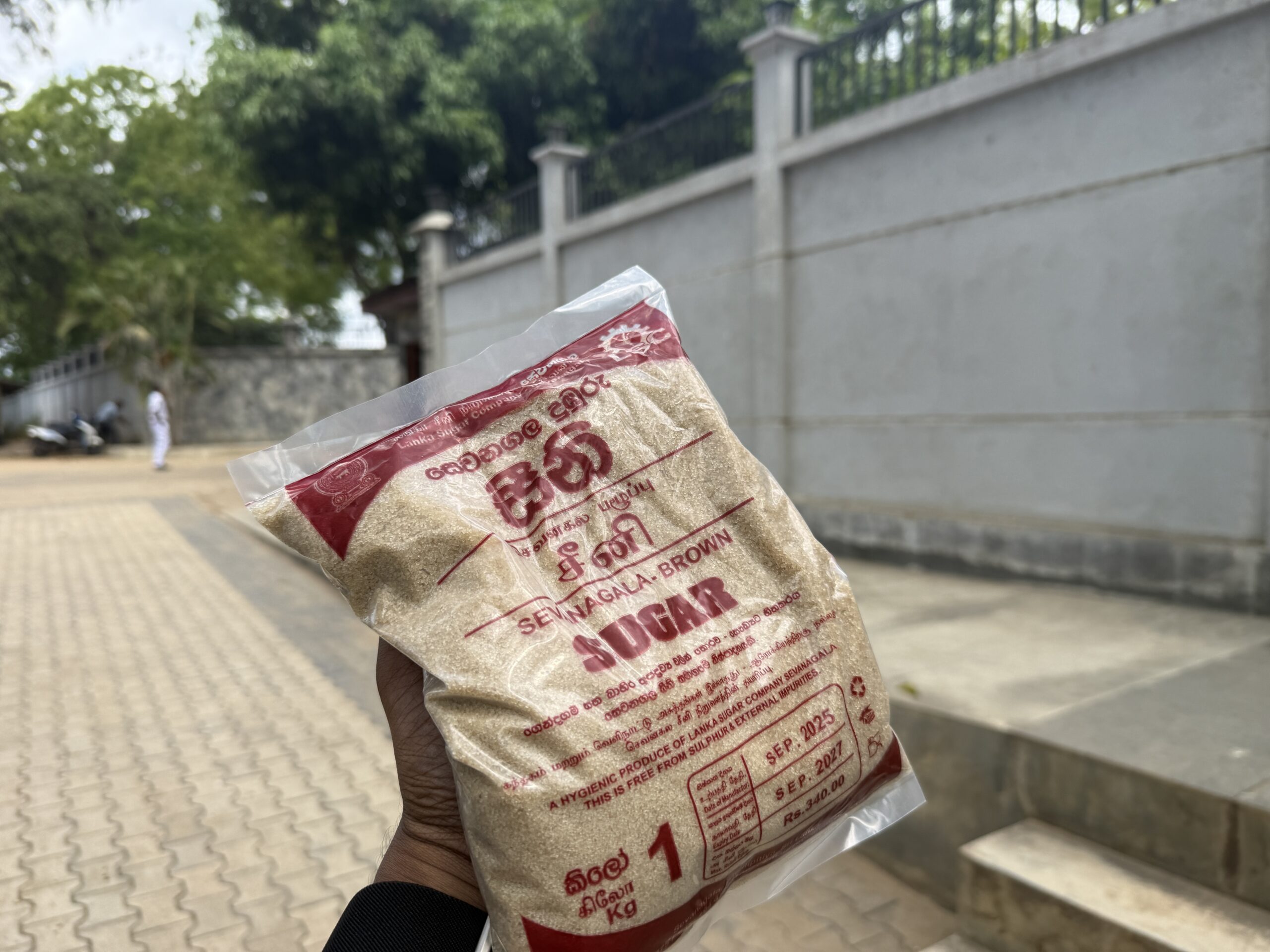
The sugar made here is brown, or more precisely a pale golden to reddish raw sugar. It keeps some of the natural cane molasses on the crystals. Most Sri Lankan households buy white sugar, so brown sugar is unusual to find. Our guide said that some private companies buy it and refine it further into white sugar. The pack I bought is labelled “Free from sulphur and external impurities”.
At the end, the staff gave us a little sugar to taste in our hands. If you have ever chewed a stick of sugar cane, you will recognise the flavour straight away. It tastes of cane in a way that white sugar does not.
Buying the sugar
Outside the factory is a small welfare shop selling the factory’s packets. I bought three or four 1 kg packs and we have been using them in tea at home since. The pack I bought lists a maximum retail price of Rs. 340 per kilogram. I found the quality very good and the price fair.
If you live near Colombo, the Lanka Sugar Company has also opened a brown sugar outlet on Nawala Road in Nugegoda, supplied by the Sevanagala and Pelwatte factories. Check opening hours before you go.
A short history of the Sevanagala Sugar Factory
This section is written from published sources rather than my own visit.
Sevanagala is one of Sri Lanka’s state-linked sugar projects. It was developed by the Sri Lanka Sugar Corporation in the late 1970s and early 1980s on land in the Walawe basin, which at the time was largely occupied by squatters. A feasibility study in the 1970s backed the idea of a factory, and a recollection by the project’s former manager says the factory was built by an Indian engineering firm under the supervision of British sugar consultants. Cane planting began in 1983, and crushing started in 1986.
The complex covers cane lands, the factory and a distillery. It was designed to crush roughly 1,250 to 1,430 tonnes of cane a day and make about 60 tonnes of molasses a day, with several thousand hectares under cane, both irrigated and rain-fed.
Ownership has changed over the years. The industry was handed to the private sector in 2002 and taken back by the government in 2011. Since 11 November 2011, the Government-owned Lanka Sugar Company has run both Sevanagala and its sister factory at Pelwatte.
The factory sits in elephant country, and a long electric fence protects the cane fields from elephants. Local farmers have shifted to other crops such as paddy, bananas and vegetables in recent years because cane has become less profitable, and the state sugar factories have faced financial pressure and competition from imported sugar. Officials have also talked about opening parts of the land to tourism, including letting visitors watch sugar being made. For now, visits work the way I describe above, so check at the gate.
The abandoned sister factory
Sri Lanka’s state sugar factories were not all so lucky. On another trip, I visited a Kantale sugar factory that has been closed for years. The machinery is long gone, and the empty halls and the old vehicles left standing around are all that remain. Its structure looks very similar to Sevanagala, and I think the two come from the same era.
It was built with Czechoslovak aid and later handed to a private company in 1993, and it stopped operating in the 1994. Accounts blame privatisation and poor management, and the factory sits in a region that was heavily affected by the civil war. Machinery has since been stripped or stolen, and revival plans have repeatedly stalled. Standing inside Sevanagala, where the same type of plant is still producing, makes you realise how much has been lost.
Tips for visiting
- Aim for a weekday. School groups visit most days, so you are more likely to find a group to join without a long wait.
- Tell the gate security why you are there and ask politely for permission.
- Leave small children with another adult. The age limit of around 9 is for their safety and hearing.
- Do not plan to take photos inside. Take your shots outside at the entrance, with the tractors and in the cane fields.
- Wear comfortable closed shoes. The tour climbs steel staircases between floors.
- Check how the welfare shop takes payment before you rely on a card, since this is a rural area.
- Check the crushing season. The machinery runs when cane is being crushed, so ask locally or at the gate when the factory is working before you make a special trip.
- Combine it with the rest of Udawalawe. The factory fits easily into a day with the national park, the elephant transit home and the temple visits listed in the guides above.
Is the Sevanagala Sugar Factory worth visiting?
Yes, if you are driving through this part of the country and have an hour to spare. Very few working factories let visitors walk through for free, with a guide, and the whole process is visible from cane to sugar packet. It is also very rural, so it feels like a real find rather than a tourist stop. The cane fields alone make the detour worth it.
If you are planning more time around Udawalawe, the factory fits neatly alongside the area’s bigger draws. Our complete guide to Udawalawe National Park covers safari tips and what to expect in the park. Just as memorable is the Udawalawe Ath Athuru Sevana, the elephant transit home, where you can watch orphaned calves race in for their milk at feeding time. Together with a morning in the cane lands, they make a full and very different day out.
Location Map
Nearby Atractions
- Udawalawe Ath Athuru Sevana (Elephant Transit Home) - Visitor Guide, Feeding Times & Tickets - 11 km
- Complete Guide to Udawalawe National Park - 11.5 km
- Sri Sankapala Rajamaha Viharaya - An Ancient Cave Temple Near Udawalawe - 17.4 km
- Haputhale Travel Guide - 43.3 km
- Adisham Bungalow (St. Benedict’s Monastery): A Peaceful Colonial Retreat in Haputale - 43.4 km
- Idalgashinna Railway Station: Sri Lanka's Fifth Highest Station and a Ride Worth Taking - 44.1 km
- Lipton’s Seat: A Scenic Viewpoint Above Sri Lanka’s Tea Country - 45.9 km
- Sudagala Ella & Beyond - A Jungle Glamping Escape in Kuruwita - 72.2 km
- Monara Gala Mountain (Peacock Hill) - 83.7 km
- Galle Fort: A Historic Coastal Treasure of Sri Lanka - 85.8 km