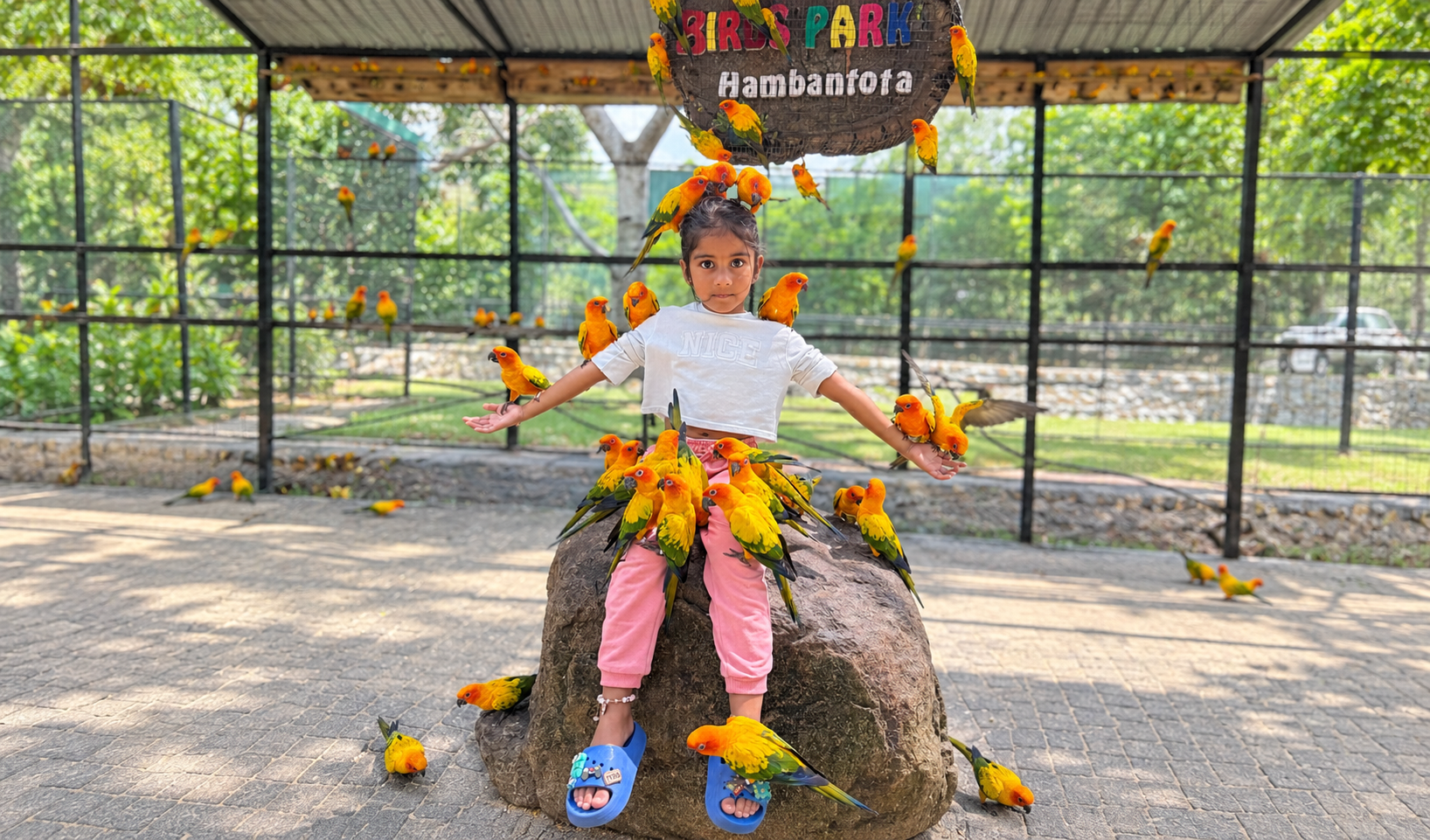
Hambantota Birds Park is a 35-acre bird park and research centre in Nagarawewa, about 20 minutes inland from Hambantota town. It is home to around 3,200 birds from more than 180 varieties, and in my experience, it is the best-kept bird park in Sri Lanka. If you are anywhere near Hambantota, Madunagala or Mattala, it deserves two hours of your day.
Quick Facts
| Location | Birds Park / Birds Research Center, Nagarawewa (Nagara Lake), Hambantota |
|---|---|
| Opening hours | 6.00 am to 6.00 pm, every day |
| Tickets (locals) | Adults Rs. 1,200, children aged 3 to 10 Rs. 600, under 3 free |
| Tickets (foreigners) | Adults Rs. 5,000, children aged 3 to 10 Rs. 2,500, under 3 free |
| Bird feeding | Charged separately, per person |
| Time needed | 1 to 2 hours on foot |
| Phone | +94 47 493 7111 / +94 77 496 8616 |
| contact@birdspark.lk | |
| Website | birdspark.lk |
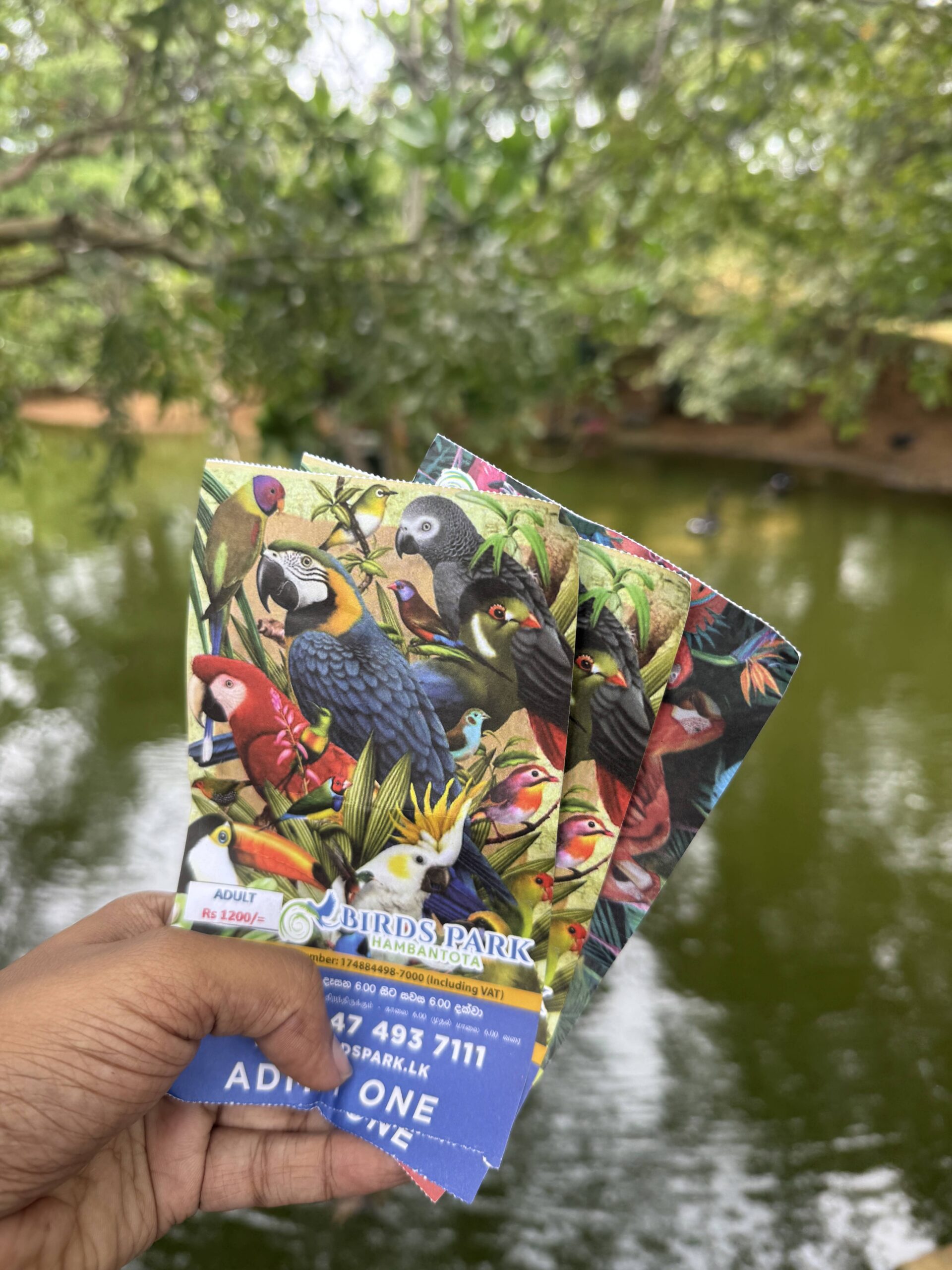
Ticket prices are as printed on our tickets and on the park’s website at the time of writing. School children visiting in uniform pay a lower rate, so ask at the counter if you are bringing a school group.
Why We Came Back to Hambantota
This was my second trip to Hambantota in two years. After our Udawalawe safari we drove down to Madunagala and stayed there for four or five days, and with that much time I visited every place I could find around Hambantota.
Hambantota is a vast district with far fewer attractions than Kandy or Colombo. What it does have is space, wildlife and a calm that is hard to find in a busy life, and that is the reason I keep returning. The Birds Park is the one place here that I would call a must.
How to Get to Hambantota Birds Park
From Colombo: Take the Southern Expressway (E01) past Matara and continue on the extension towards Hambantota. Leave the expressway on the Hambantota side (the park’s own directions mention the Magampura exit), then follow Google Maps to “Birds Park Hambantota”. The drive takes roughly three and a half hours.
From Matara: Join the expressway extension at Godagama and follow the same route. Allow about one and a half hours.
From Hambantota town: Drive to Katuwewa Junction and turn left. The park is 7 km from the junction and signposted along the way.
From Madunagala: This is how we came. It is a 10 to 15 km drive on clear, clean roads with almost no traffic.
From Mattala Airport: The park is about 12 miles (around 20 km) away.
Arriving and Parking
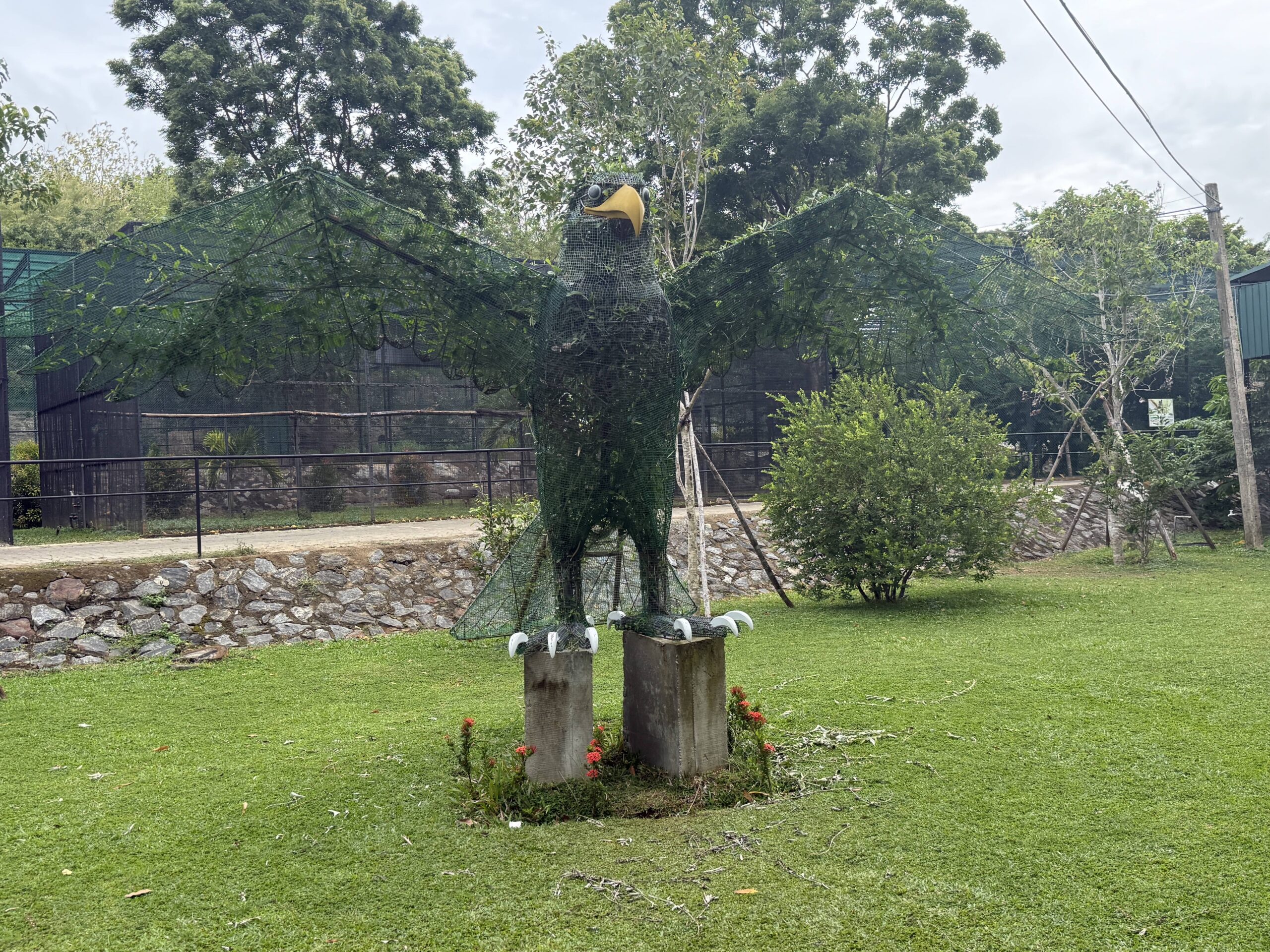
The park has a large entrance and plenty of parking. As I remember it, we parked for free, though some recent visitors mention a small parking charge, so keep a little change ready.
Near the car park, you will find a few sellers with dodol and other local sweets. Hambantota is famous for its dodol, and the one I bought here was really good. Try it before you leave.
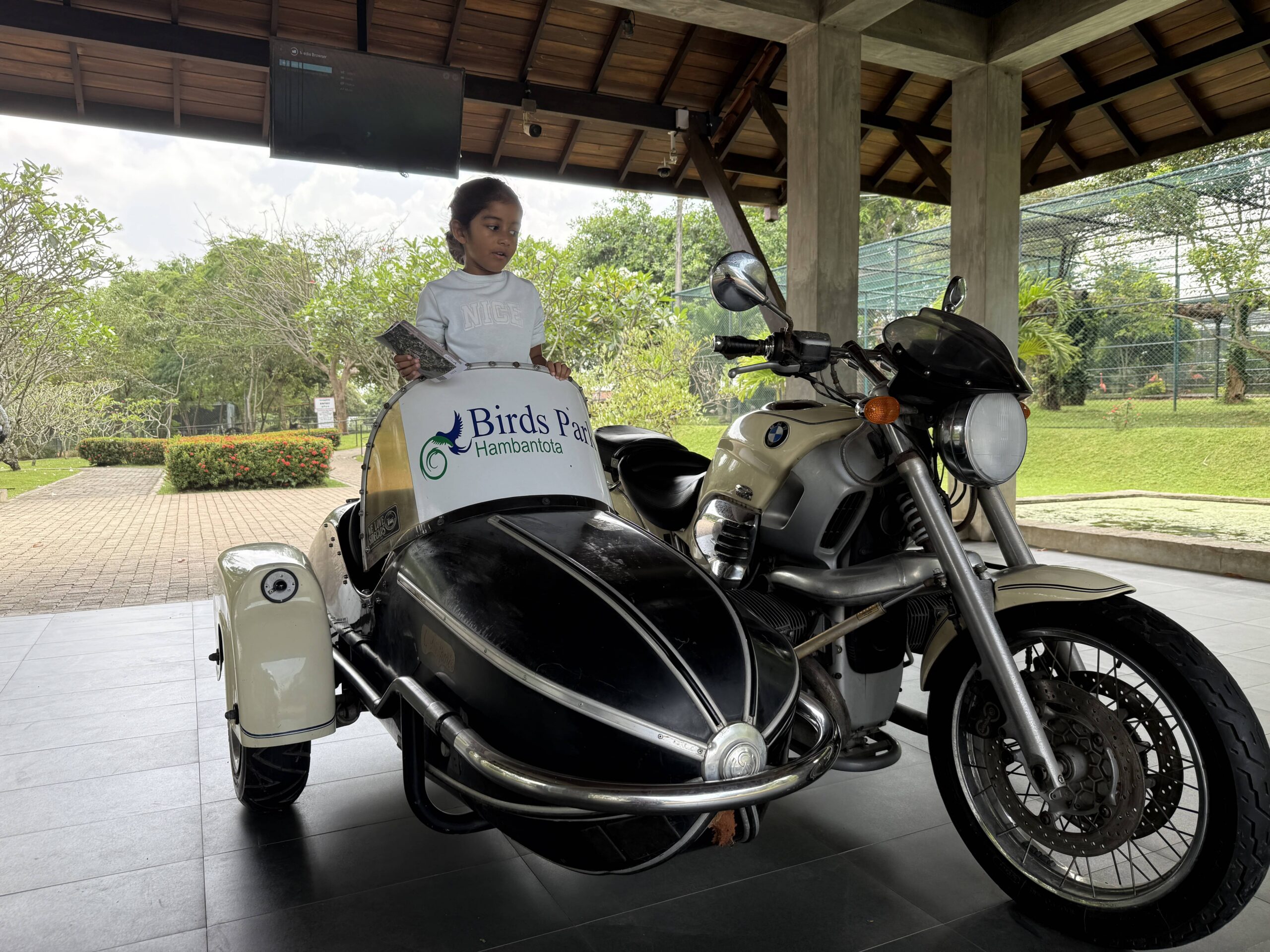
On my first visit, there were a few real vehicles displayed near the entrance like statues, including an old BMW motorbike with a sidecar. They had been removed by my second visit, which was a small disappointment, but I still have the photo.
Walking Around the Park
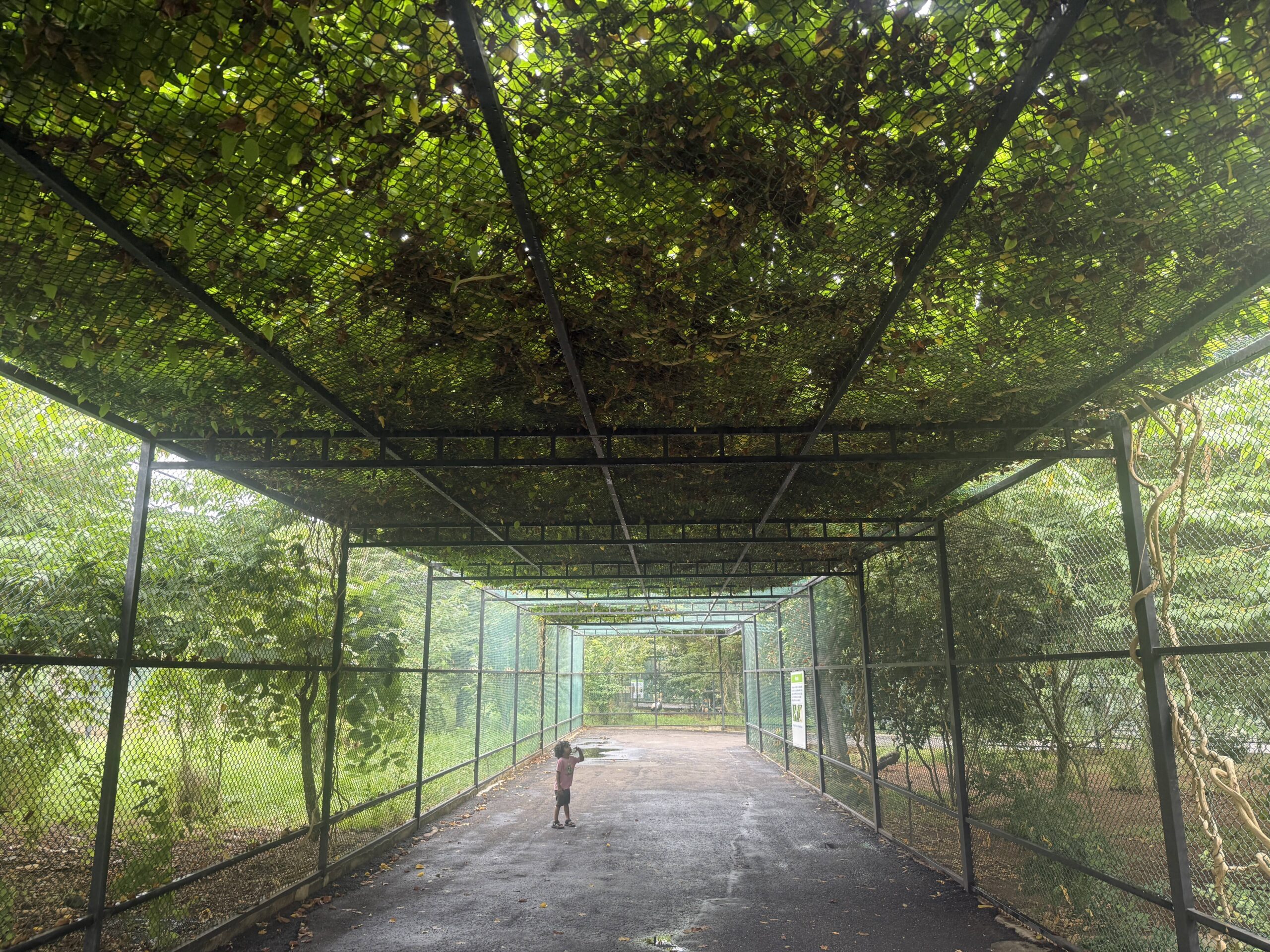
If you have one to two hours, you can cover the whole park on foot. The paths are easy and partly shaded. For elderly visitors or anyone who finds walking difficult, the park offers electric carts to take you around.
The park is laid out in five zones:
- Wetlands, with ponds, flamingos, swans and ducks
- Wings of Asia, a walk-in free-flight aviary with endangered and endemic Asian birds
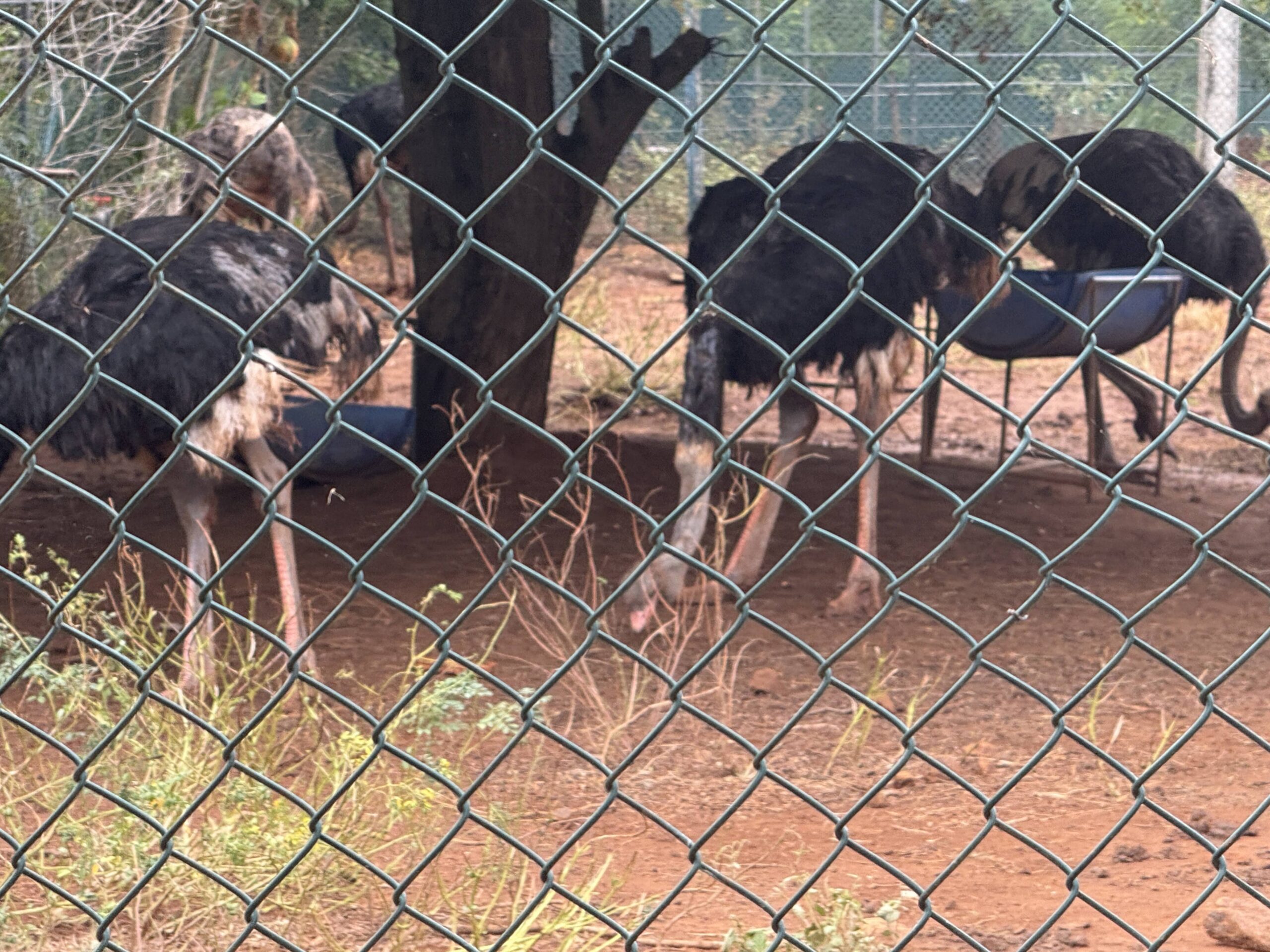
- Flightless Birds, with ostriches, emus and a cassowary
- Macaw and Cockatoo Zone
- Parrot Paradise
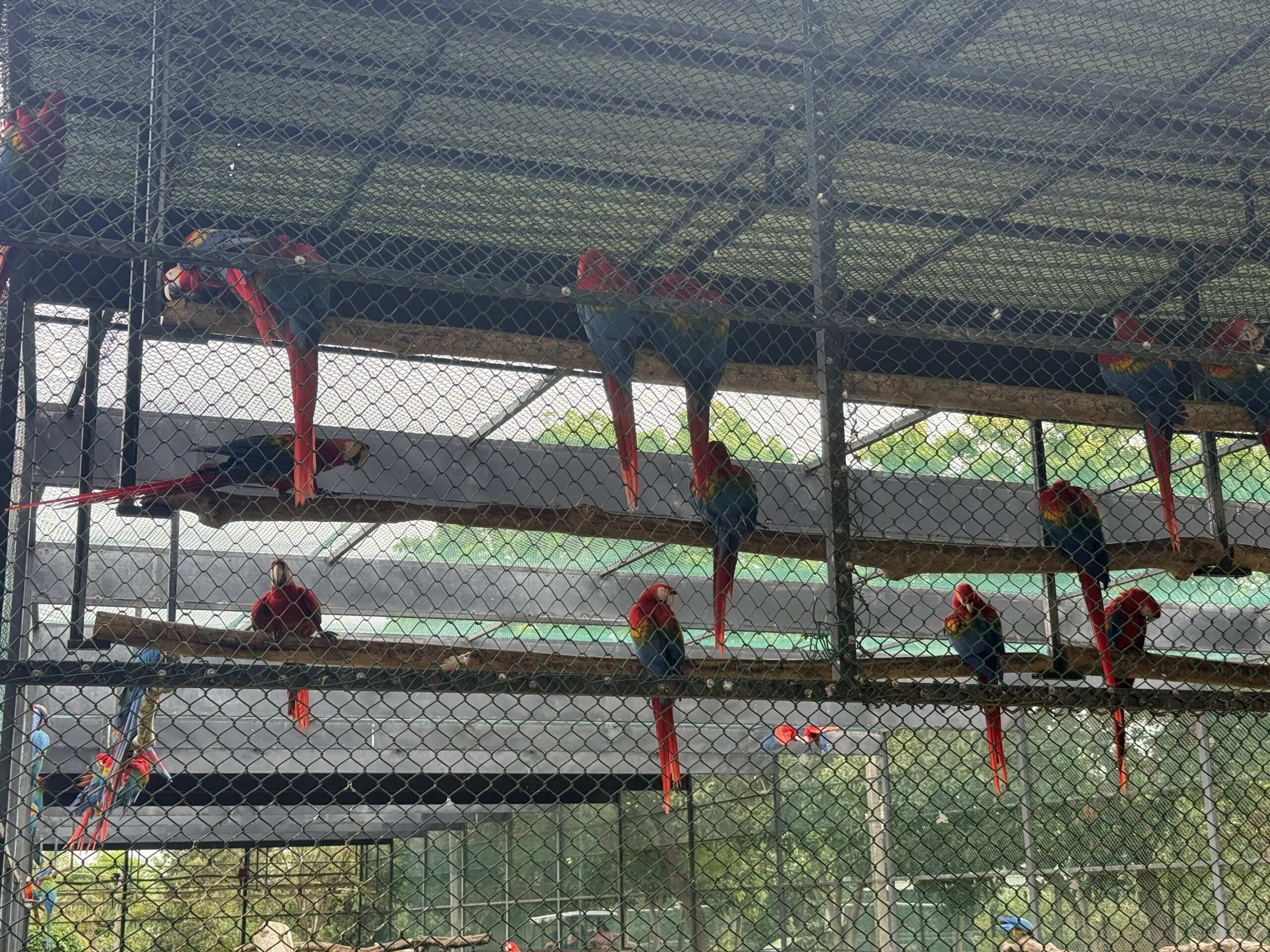
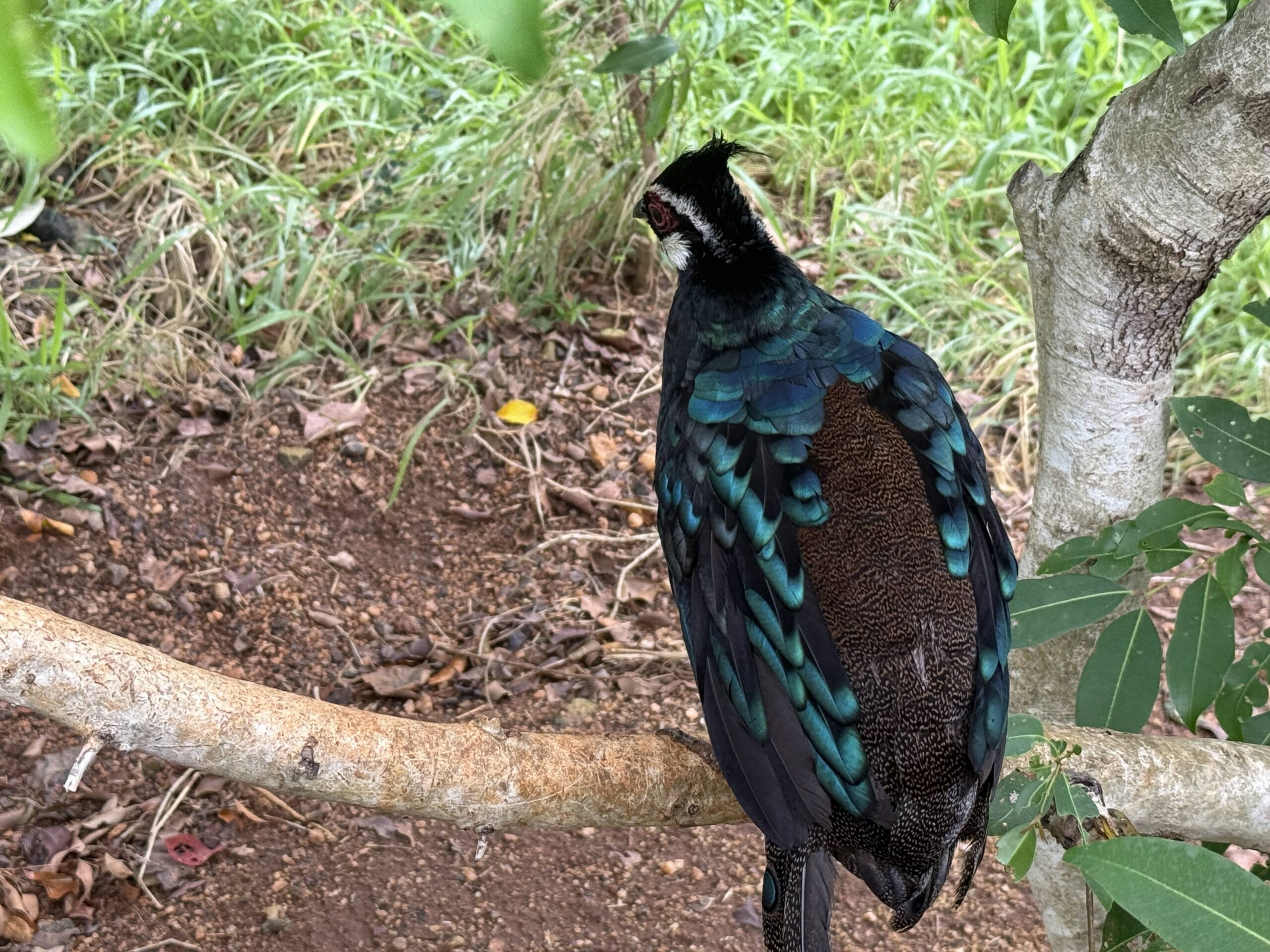
What stood out for me was the variety within each type of bird. There is not one kind of peacock but several. There is not one kind of parrot but dozens. You can see the differences side by side.
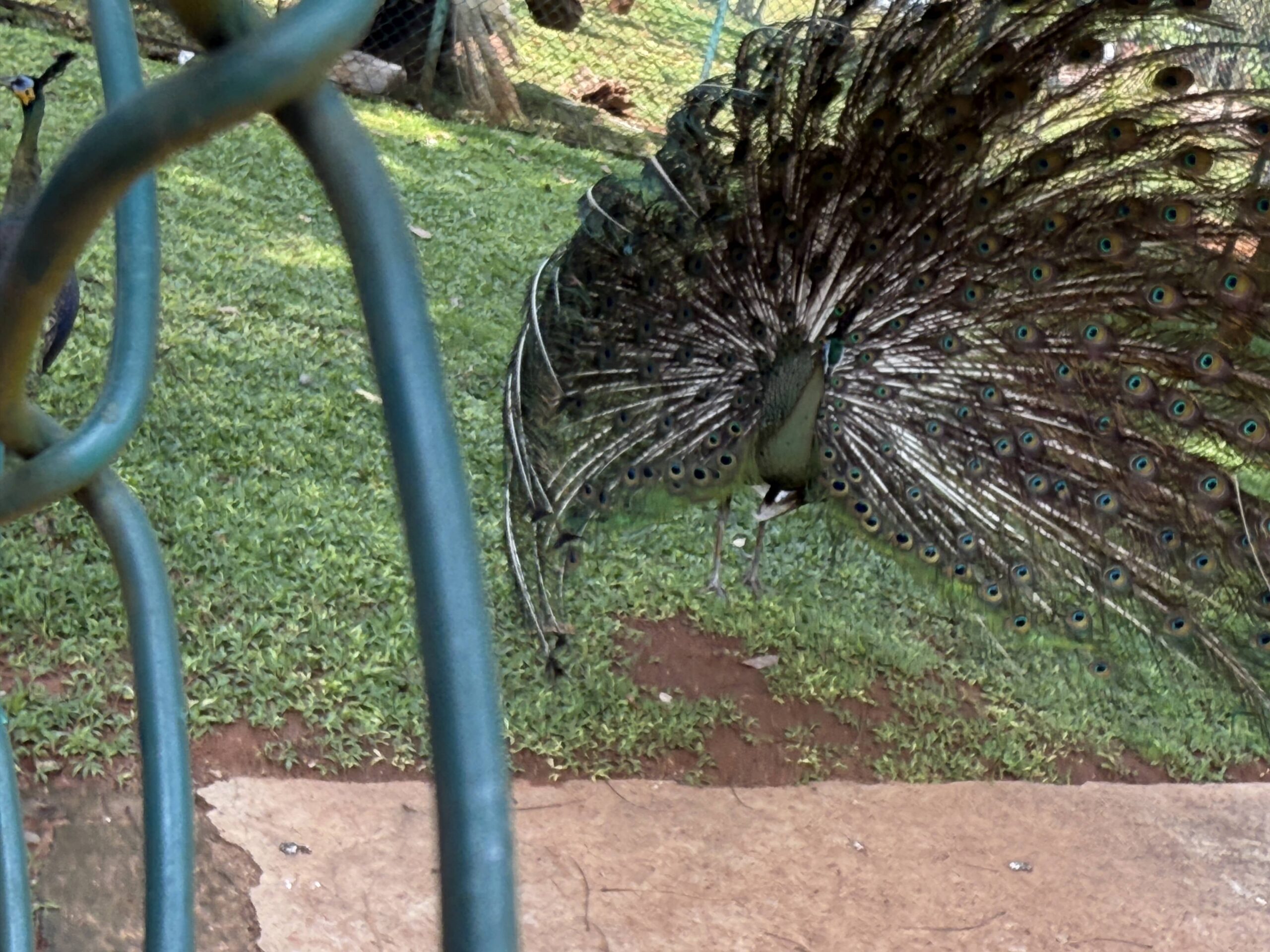
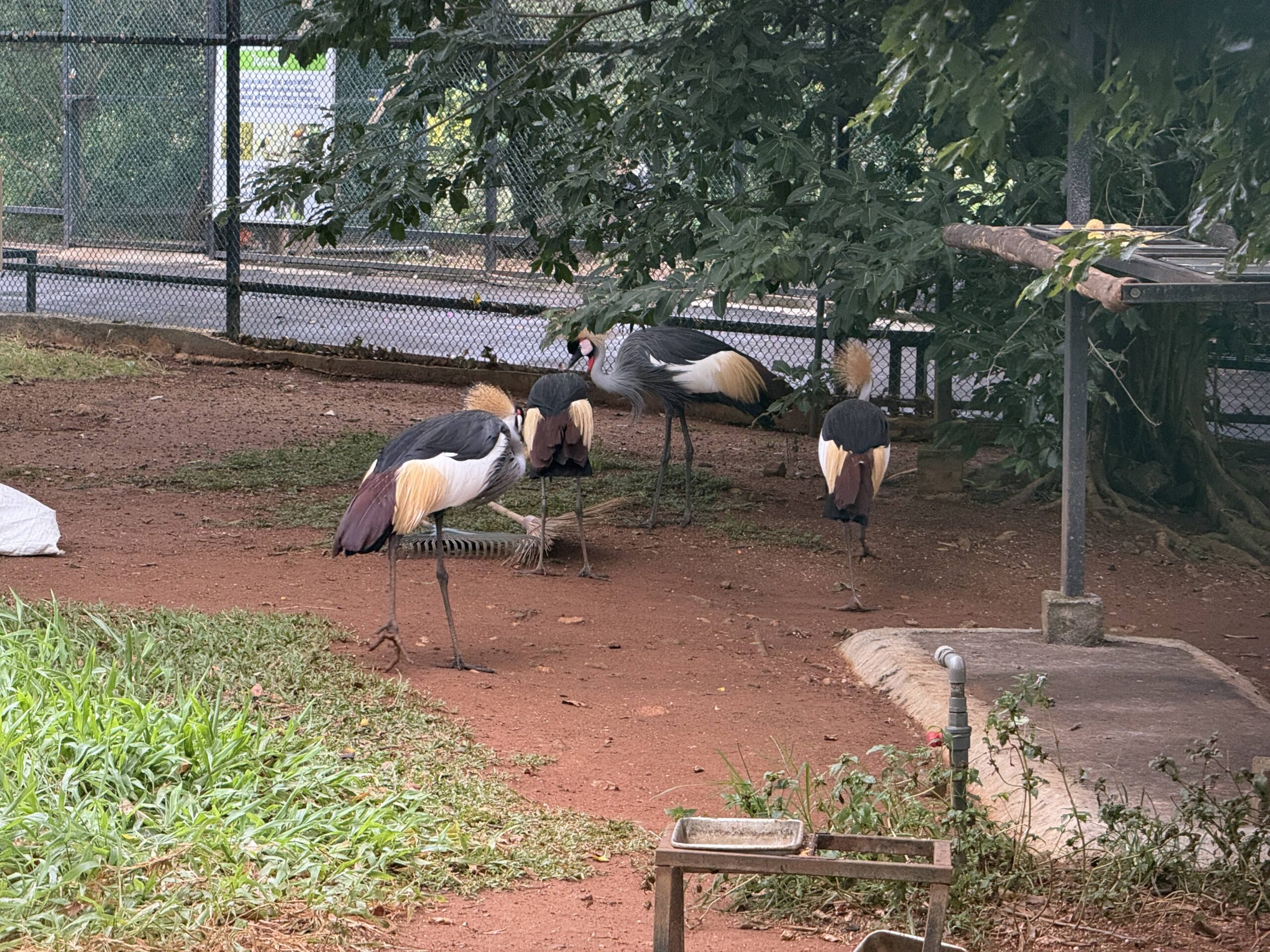
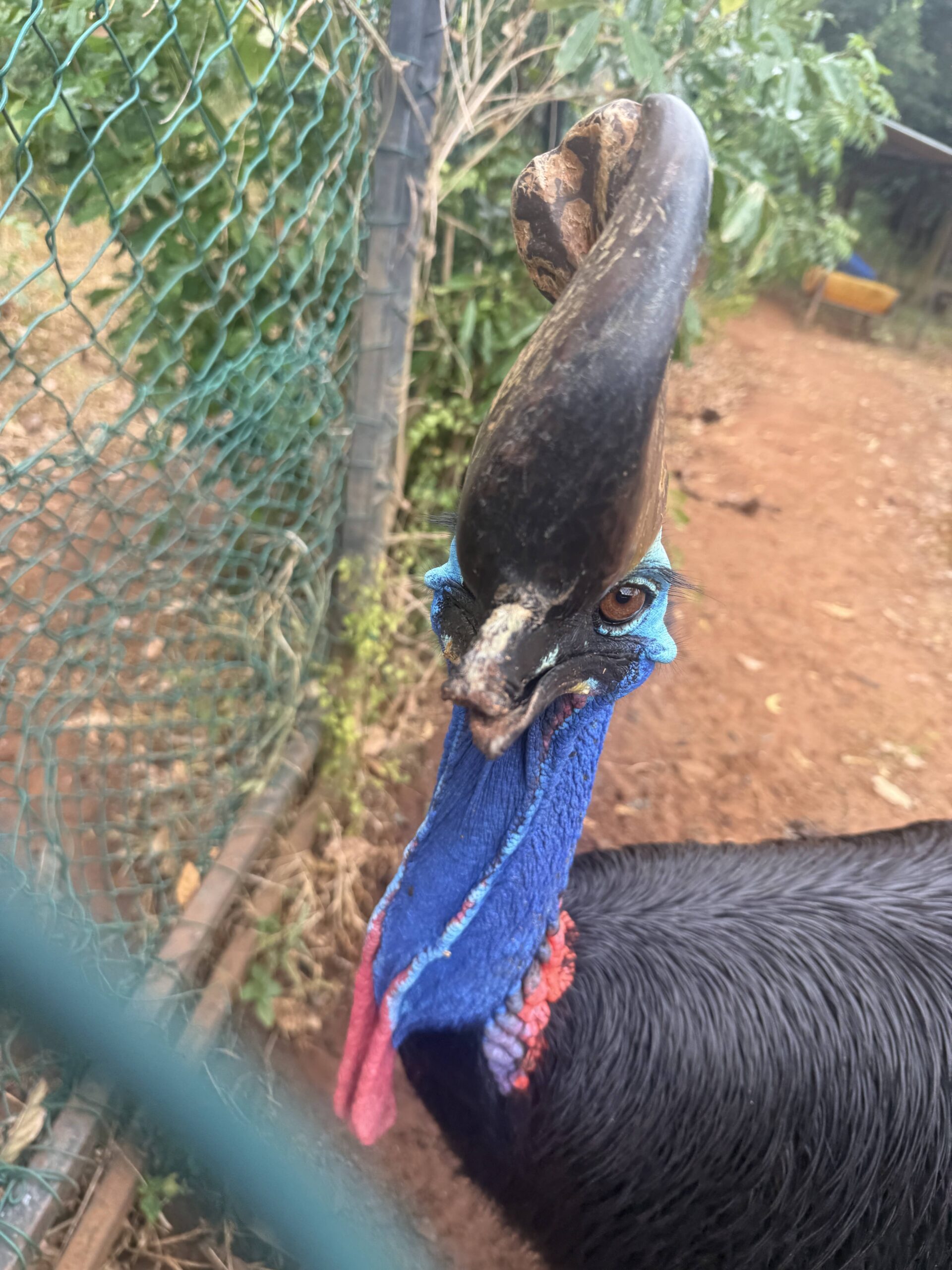
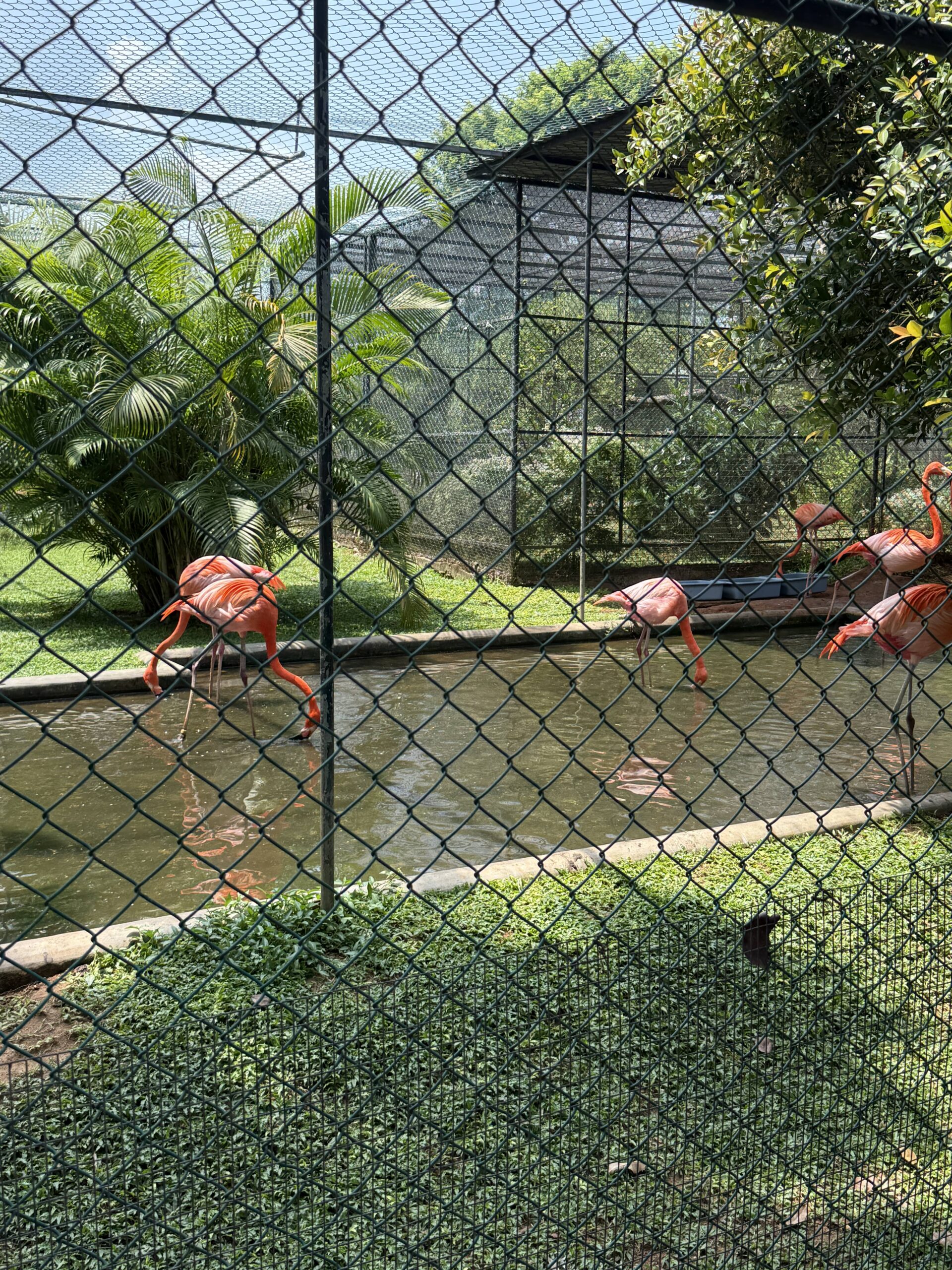
The second thing was how well the birds are kept. At some bird parks, you notice animals that do not look well and cages that are not maintained. Here the enclosures are big, the birds are well fed and their colours are vivid. Even compared with Dehiwala Zoo, the difference is obvious. To me, this place is at an international level.
Feeding the Birds and Taking Photos
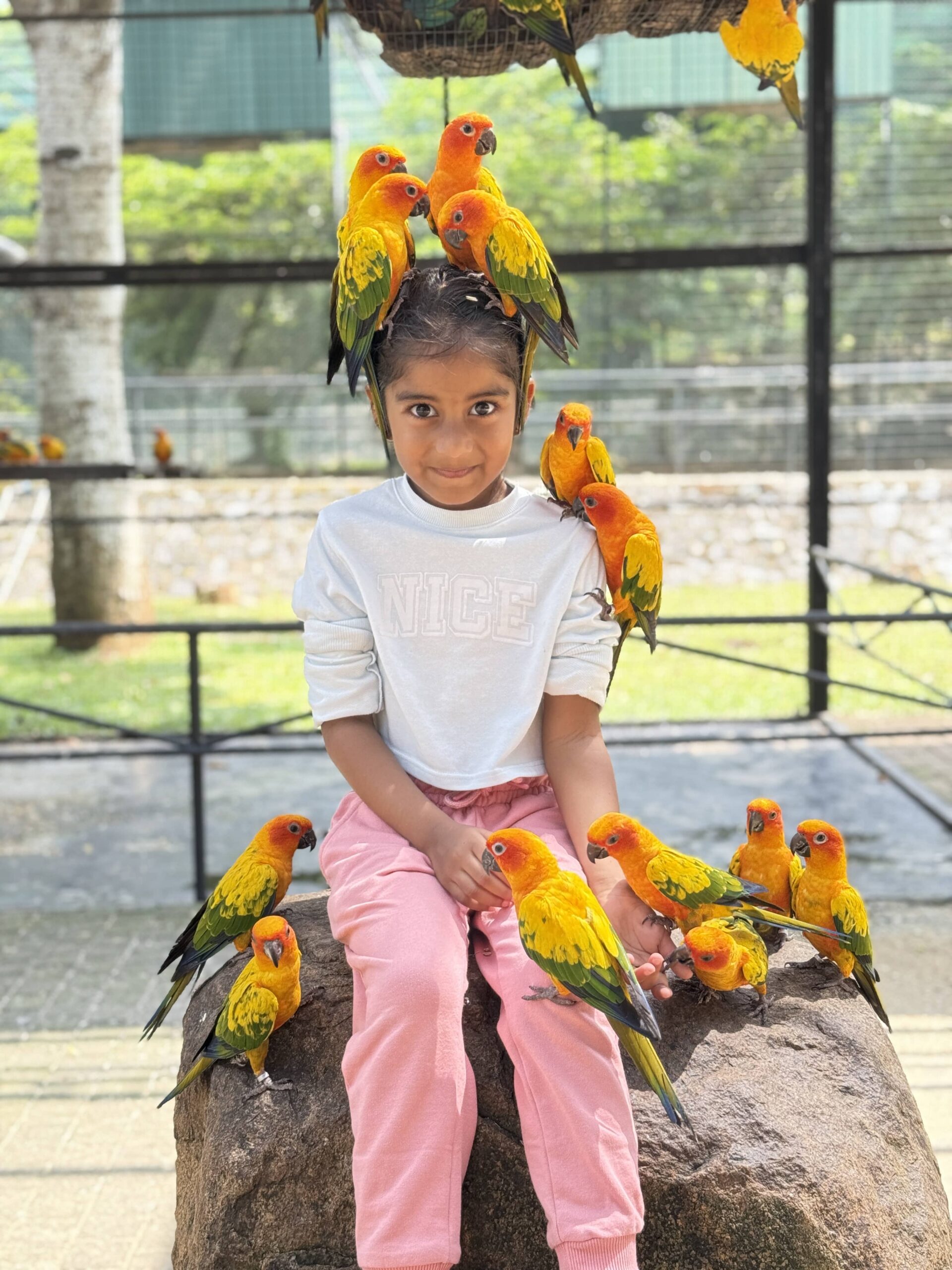
The feeding and photo area is next to the canteen. This is not included in your entry ticket. There is no charge for taking photos, but you pay a separate fee per person to go in and feed the birds, with different rates for adults and children.
Once you are inside, dozens of bright orange and yellow sun conures land on your arms, shoulders and head. It is great fun and makes for the best photos of the day. My daughter went in twice. My son was very young at the time, got scared after a few minutes and wanted to come out, so judge it by your own child.
The Parrot That Spoke to Me
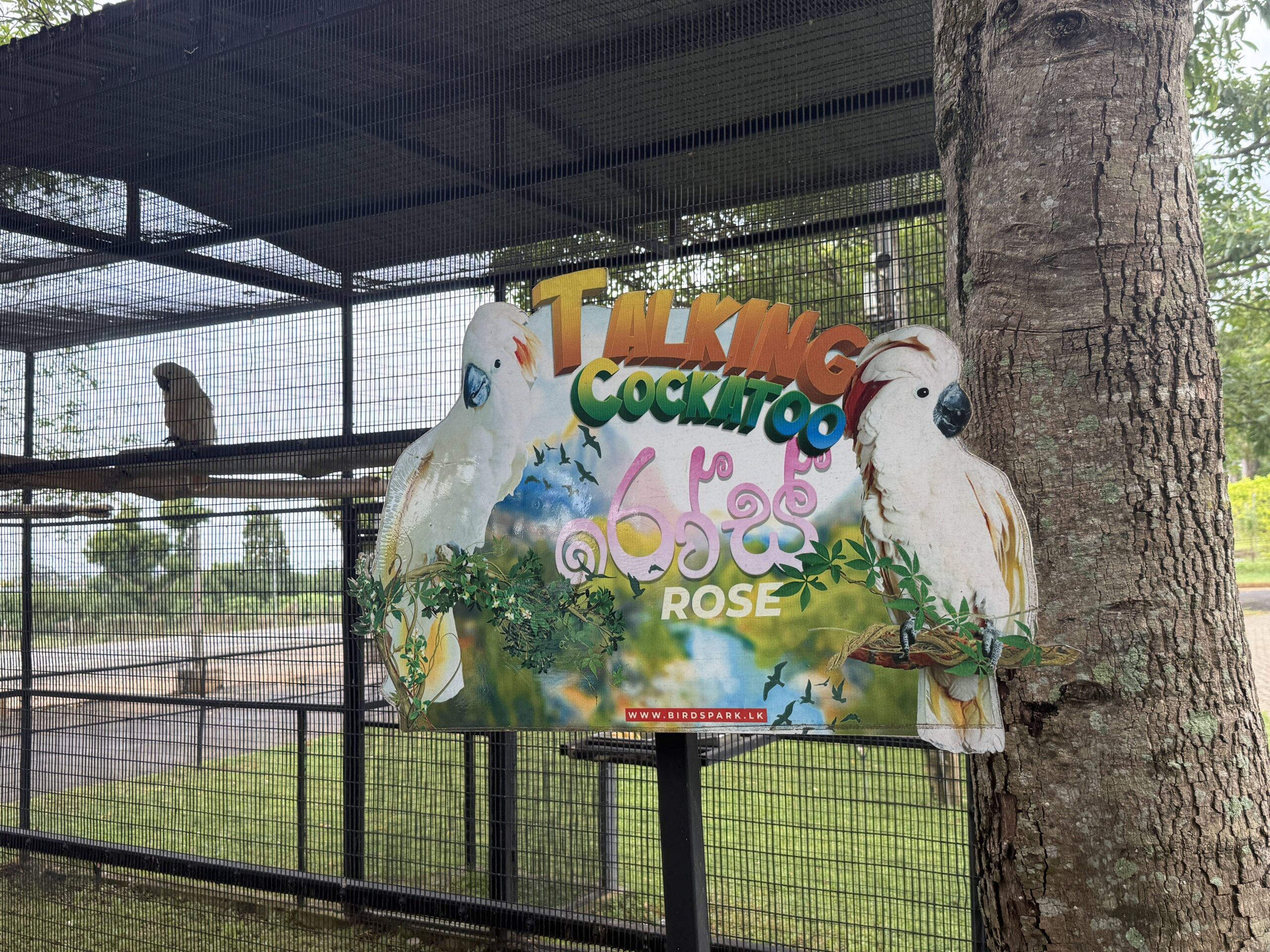
Just past the feeding area, a single bird sits alone in its cage. I looked at it, walked on, and then heard someone speak to me. When I turned around, it was the bird. It asked something like “Are you hungry?” or “Did you eat?” in Sinhala. I do not remember the exact words.
I went back and tried to talk to it, and it refused to say anything. The moment I turned to leave, it spoke again. It was the first time a bird has ever started a conversation with me, and it was the funniest moment of the visit.
A little further on you reach the pond with ducks and swans, and from there the path loops back to the entrance.
Where to Eat
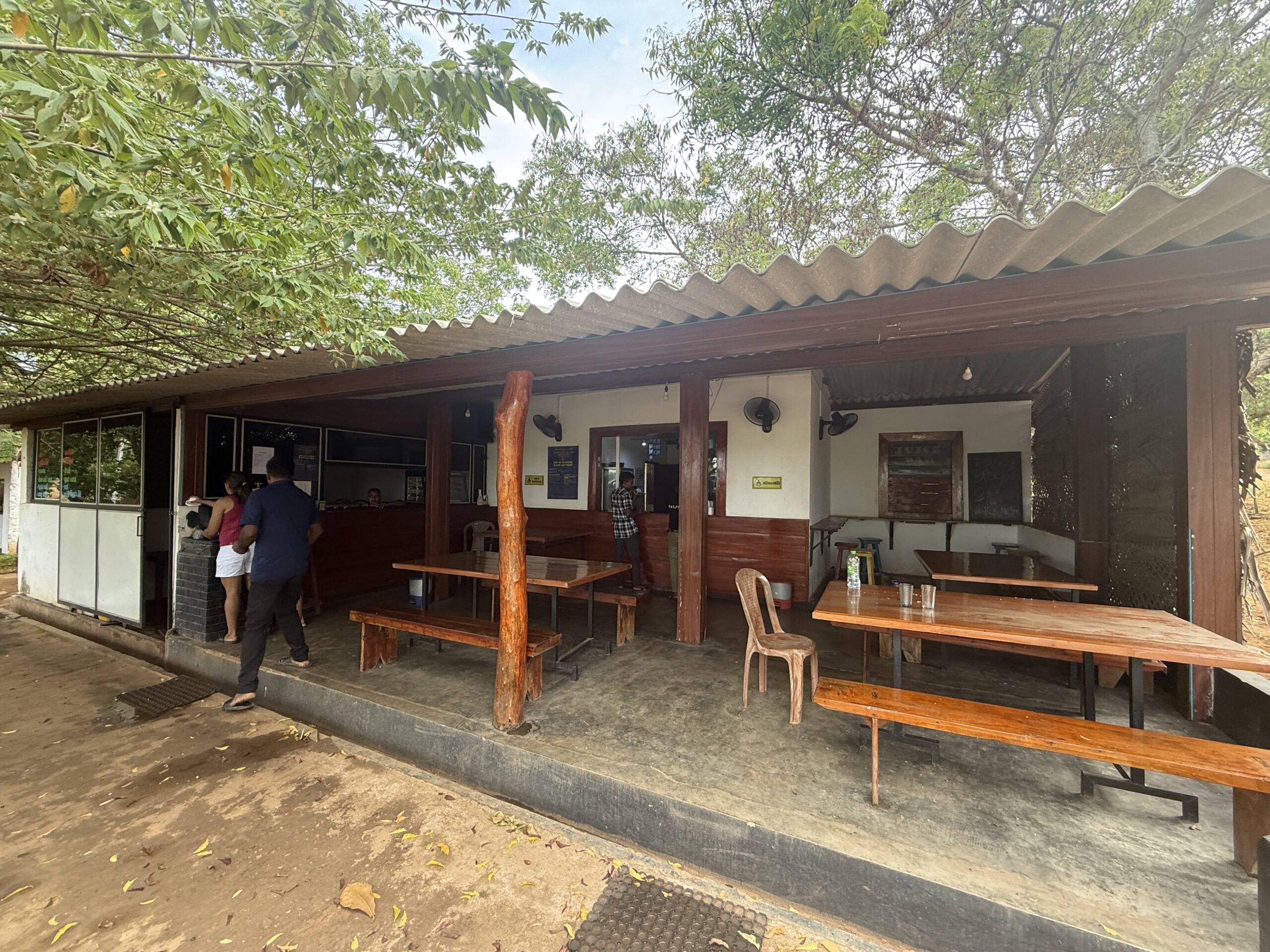
Inside the park: The canteen is good. After an hour or two of walking you will be thirsty and hungry, and I can recommend the food and fresh juice here.
Outside the park: Plan ahead, because I learned this the hard way. I only had a quick snack at the canteen and came out hungry. The roads on both sides are long and empty, with no proper restaurants for 5 to 10 km in either direction. You will pass small stalls selling mangoes and boiled corn, which are fine for a snack.
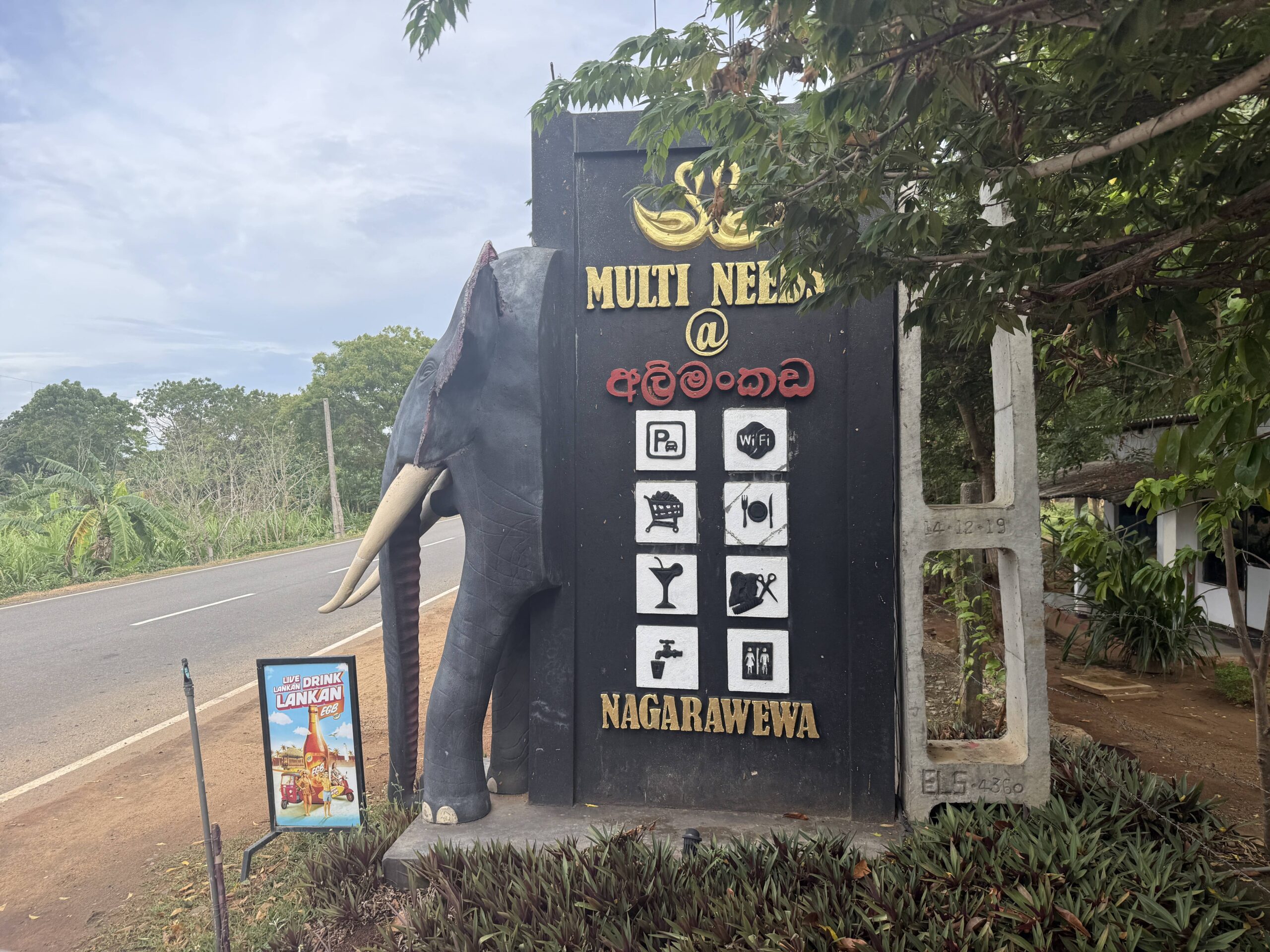
The place to know is the Alimankada army welfare shop in Nagarawewa, about 1 km from the park. I stopped only because I was driving past, and the food was excellent. I had fried rice and vegetable roti and both were really, really good. It is clean, simple and well run. Make it your lunch stop.
A Short History
The park is a privately run bird breeding and research centre on the eastern edge of Nagara Lake. It is reported to have opened to the public in 2014, and it describes itself as the largest birds park and research centre in Asia. The stated aim is to build awareness of bird conservation, and its off-exhibit aviaries are used to breed endangered Asian species. The park says several rare birds have been bred successfully through this programme.
Staying at Birds Resort Hambantota
Right next to the park is Birds Resort Hambantota, run by the same group. It is a good hotel with a lovely garden, an outdoor pool and rooms looking over the garden or Nagara Lake. Guests on booking sites report free access to the Birds Park during their stay, but confirm this when you book. If you want to stay close to the park, or you need a base for Bundala and Mattala, it is a sensible choice.
Tips for Your Visit
- Go early morning or late afternoon. The birds are more active and Hambantota heat is strong by midday.
- Carry water, a hat and cash for feeding, snacks and dodol.
- Budget separately for the bird feeding area. With children you will probably end up going in more than once.
- Ask for an electric cart at the entrance if anyone in your group struggles with walking.
- Eat at the canteen or plan your stop at the Alimankada welfare shop. Do not count on finding food on the road.
- Combine it with the Madunagala hot springs, Bundala National Park or Ridiyagama Safari Park for a full day.
Is Hambantota Birds Park Worth Visiting?
Yes. Whether you are passing through Hambantota or staying in Madunagala as we did, make time for it. The birds are healthy, the grounds are clean, and you can feel the difference from other parks the moment you walk in.
Location Map
Nearby Atractions
- Madunagala Hot Water Springs: A Complete Visitor Guide - 12.7 km
- Sevanagala Sugar Factory: A Free Factory Tour Near Udawalawe - 27.5 km
- Complete Guide to Udawalawe National Park - 37.8 km
- Udawalawe Ath Athuru Sevana (Elephant Transit Home) - Visitor Guide, Feeding Times & Tickets - 38.2 km
- Sri Sankapala Rajamaha Viharaya - An Ancient Cave Temple Near Udawalawe - 44.3 km
- Haputhale Travel Guide - 63 km
- Lipton’s Seat: A Scenic Viewpoint Above Sri Lanka’s Tea Country - 63.2 km
- Adisham Bungalow (St. Benedict’s Monastery): A Peaceful Colonial Retreat in Haputale - 64.2 km
- Idalgashinna Railway Station: Sri Lanka's Fifth Highest Station and a Ride Worth Taking - 66.1 km
- Galle Fort: A Historic Coastal Treasure of Sri Lanka - 99 km